


June 24, 2024
Philippines to construct 17 deep-water ports to enhance agricultural supply chains
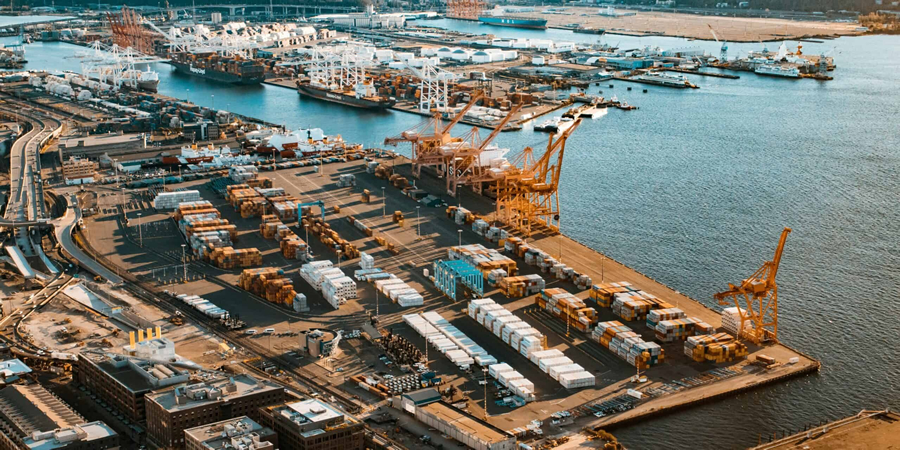
The Philippines is set to build 17 new deep-water ports to strengthen supply chains for agricultural products and fertilises, aiming to control food prices, Nikkei Asia reported.
The country's Agriculture Secretary Francisco Tiu Laurel J announced this plan at a business forum in Manila, emphasising the nation's 27-year backlog in agricultural infrastructure investment. Laurel highlighted that the port expansion would revitalise the sector.
Laurel said the Philippines must build more ports to lower the cost of production of corn and anything that uses fertiliser. The Philippines aims to build 17 new ports across the country.
The Philippines has allocated around PHP 210 billion pesos (US$3.6 billion) to the agriculture department for the 2024 fiscal year. Laurel aims to double this budget in 2025, citing growing concerns over food security.
"We can expect the price of fertilizer to decrease by as much as 15%" once the new ports are constructed, Laurel stated. He did not provide further details on the plan, including whether the government has started evaluating costs and funding.
The Marcos administration has been tackling spiralling food prices, recently reducing tariffs on rice imports to 15% to 35% to ease the burden on the population.
Improving agricultural supply chains was a key promise made by Marcos when he assumed office in 2022. Post-harvest losses and high transportation costs have been significant issues, driving up retail prices.
The Philippines' agriculture sector, accounting for around 10% of its gross domestic product and employing a quarter of Filipino workers, has suffered from decades of policy mismanagement. Many problems are traced back to the era of Ferdinand Marcos, the late father of the current president, who prioritized cronyism over sector development.
The ambitious port expansion plan faces potential budgetary constraints, according to Robert Dan Roces, chief economist at Security Bank in Manila.
"Translating this vision into reality requires navigating potential roadblocks. The current administration's budgetary constraints and bureaucratic requirements may pose significant challenges," Roces said. "Exploring public-private partnerships or attracting foreign investment might be necessary to overcome these hurdles."
Miguel Chanco, chief emerging Asia economist for UK-based Pantheon Macroeconomics, also expressed scepticism regarding financing. He noted that it might be challenging to find private partners for the ports.
"If there was such a strong need in the first place, then surely a domestic player would've stepped up a long time ago," Chanco said.
- Nikkei Asia


