


June 23, 2026
New Zealand's chicken farmers on alert following bird flu cases in Australia
New Zealand's chicken farmers are on high alert for the H5N1 strain of bird flu after two cases were confirmed in Australia.
It was initially reported that the virus was found in a dead migratory sea bird on an isolated Western Australian beach.
It emerged on June 22 that a second case had been recorded, also in Western Australia.
AAP said the virus was confirmed in a northern giant petrel, near where it was found in the first detected case, involving a brown skua.
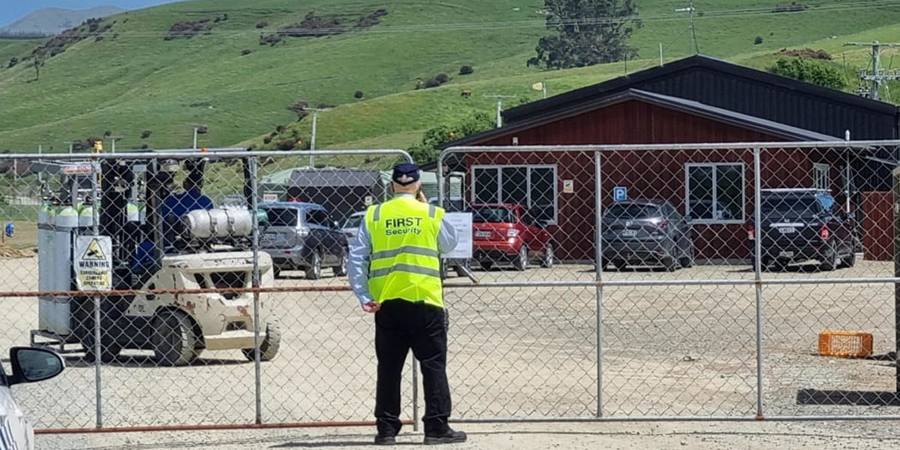
New Zealand is free of the highly contagious H5N1 bird flu, but the H7N6 strain of bird flu was found on an Otago chicken farm in December 2024.
Mainland Poultry's entire chicken flock was culled at the farm at Hillgrove and more than 5600 tests were carried out on poultry and wild birds to contain the outbreak.
The more concerning H5N1 strain is causing poultry and wild bird deaths worldwide and is unwanted in New Zealand.
New Zealand's commercial poultry production is valued at $1.5 billion for chicken meat and $500 million for eggs.
Poultry Industry Association of New Zealand (Pianz) and Egg Producers Federation of New Zealand) executive director Fiona MacMillan said poultry producers were watching the Australian development carefully.
"We are calmly but carefully staying across the developments in Australia. Up till now, Australia, New Zealand and the wider South Pacific have been the only places in the world to be free of this variant of bird flu," MacMillan said. "New Zealand has a strong track record of keeping poultry disease out. It is harder with an infection like this, which is spread by wild birds, but that's why we are so focused on biosecurity for our industry."
She said egg and chicken meat producers had already put in years of preparation for bird flu.
"We have seen the serious impact of H5N1 on the poultry industry around the world," she added. "We are fortunate that we have had time to learn from their experiences. We've been using the time we've had to focus on our biosecurity practices, to work closely with the Ministry for Primary Industries (MPI) and to assist all poultry and egg farmers to get ready."
MacMillan has asked for all New Zealanders to keep up to date with bird flu developments.
"If the H5N1 variant does get here, we hope everyone in New Zealand will pitch in to help, by following the advice put out by the MPI," she said. "The Ministry is already reaching out to hunters, trampers and backyard poultry owners, making sure they know what to look for and how to avoid spreading the disease themselves. Building that awareness can help our wild birds and our poultry industry too."
The Australian government confirmed the first case involving the brown skua, which was found sick in an isolated area on June 14.
There have been no detections in poultry so far.
Australian Agriculture Minister Julie Collins said there had been no evidence of mass mortalities among birds to date.In countries where the H5N1 strain of bird flu is present, human infection is rare.
Biosecurity Minister Andrew Hoggard said New Zealand was well prepared to respond if bird flu reached its shores, but it was important everyone took steps to be ready.
"Since the H5N1 strain of bird flu started spreading around the world, New Zealand's geographical isolation has protected us and given us time to prepare,'' Hoggard said.
He said the government was watching the situation closely and remained in close contact with Australian authorities.
"While we can't prevent wild birds bringing this virus here, we can work together to limit its impact," Hoggard said. "If H5N1 bird flu arrives, it is likely to spread in our wild bird population and will not be able to be eradicated, so it's important for farmers and backyard bird owners to have good biosecurity practices in place."
- Otago Daily Times


