


June 23, 2026
Malaysia faces higher feed costs and rice shortfalls as El Nino threatens crop and grain supply
An agricultural economist warns that prolonged dry conditions could disrupt global feed grain supplies and push up poultry production costs, compounding existing pressure on Malaysia's heavily import-dependent food system.
Malaysian padi farmers may have to delay planting and reduce cultivation areas if El Nino conditions worsen and trigger water shortages, with agricultural economists warning the phenomenon could also disrupt global feed grain supplies and drive up poultry production costs.
Abdul Rashid Yob, Chairman of the Malaysian Padi Farmers Association, said about 30% of farmers have already planted their crops, though planting activities have been slightly delayed. He said water levels in nearby dams have declined significantly, limiting agricultural water supply. He added that it is still too early to estimate yield impacts, as much will depend on the intensity and duration of the weather phenomenon, but called for efficient water resource management, government support, wider adoption of drought-resistant crop varieties and more efficient farming practices.
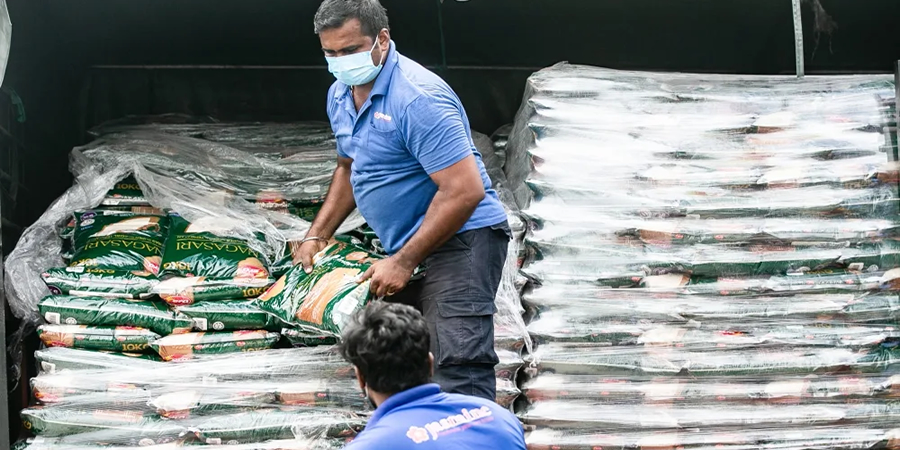
Agricultural economist Prof Datuk Dr Nasir Shamsudin of Putra Business School said padi and vegetable crops are particularly vulnerable to heat stress, and that prolonged dry conditions could also reduce oil palm yields and lower orchard and latex production. He said there is a risk that Malaysia may have to increase food imports if El Nino significantly reduces domestic production of rice and other staples. Malaysia currently imports about 45% of its rice requirements, limiting its ability to offset major domestic production losses.
Nasir added that El Nino could disrupt global supplies of livestock and poultry feed ingredients, raising import costs. As Malaysia relies heavily on imported feed grains, higher feed costs would likely increase poultry production costs and eventually consumer food prices.
El Nino is expected to persist until early next year and is forecast to bring reduced rainfall and hotter, drier conditions affecting agriculture, water supply and public health, with an increased risk of haze. Some forecasts suggest the current event could become a so-called "super" El Nino and among the strongest ever recorded.
- The Star


