


June 23, 2025
Study advocates for enhanced animal welfare standards in global aquaculture
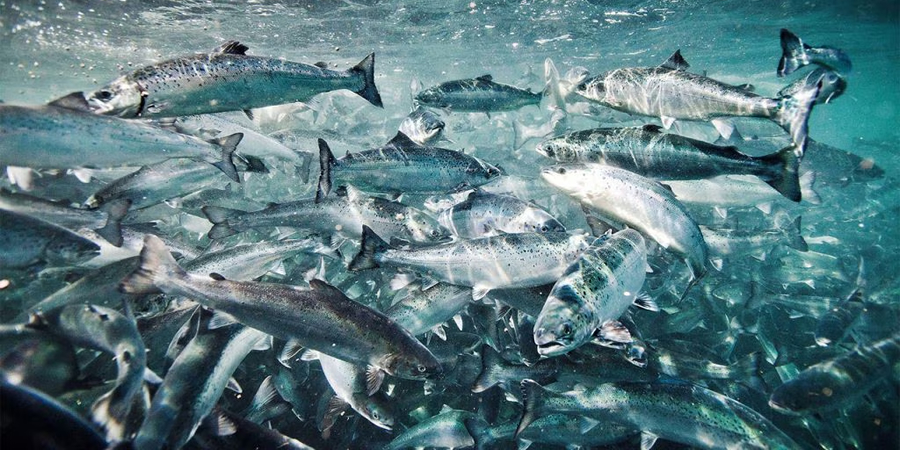
A new study details the pain that fish suffer during slaughter and offers practical solutions to improve animal welfare in the seafood industry.
The results of the Welfare Footprint Framework (WFF) could help shape regulatory discussions, improve certification standards and guide welfare investments that deliver the greatest benefit per dollar spent.
Central to the study is the methodology developed by the Centre for Welfare Metrics to quantify animal welfare in terms of time spent in different states of suffering or well-being. The framework estimates the duration and intensity of subjective experiences, translating them into time-based values that can be compared across various interventions.
Much like environmental footprints or public health impact assessments, the WFF is designed to present complex welfare data in accessible terms. By framing suffering in minutes or hours, the approach enables clearer comparisons between practices and policies, offering a standardized way to assess and prioritize improvements in animal welfare.
Focusing on rainbow trout, the study, published in Scientific Reports, quantifies pain in air asphyxia – a common slaughter method – using the WFF. It shows that rainbow trout endure an average of 10 minutes of intense pain during air asphyxia, with estimates ranging from 2 to 22 minutes depending on factors like fish size and water temperature. This translates to approximately 24 minutes of pain per kilogramme of fish. These estimates are based on a comprehensive review of existing research to assess the intensity and duration of pain and distress experienced by the fish.
"The Welfare Footprint Framework provides a rigorous and transparent evidence-based approach to measuring animal welfare and enables informed decisions about where to allocate resources for the greatest impact," said Dr Wladimir Alonso, who conceptualised the method.
The study also examines the cost-effectiveness of potential fish welfare interventions. According to the findings, electrical stunning could prevent between 60 and 1,200 minutes of moderate to extreme pain for every US dollar invested in capital costs, assuming proper implementation. Percussive stunning is identified as another method with high welfare potential, although the report notes that achieving consistent results in commercial settings remains a challenge.
Beyond the act of slaughter, the study highlights pre-slaughter practices – such as crowding, handling and transport – as significant contributors to fish suffering. These conditions, the researchers note, may cause more cumulative distress than the slaughter process itself, pointing to the importance of addressing the full range of procedures leading up to death.
With up to 2.2 trillion wild and 171 billion farmed fish killed annually, the findings highlight an opportunity for welfare reforms "on a massive scale."
- Global Seafood


