


June 22, 2023
USDA awards over US$1.4 million to fund Purdue University's cattle and swine health research
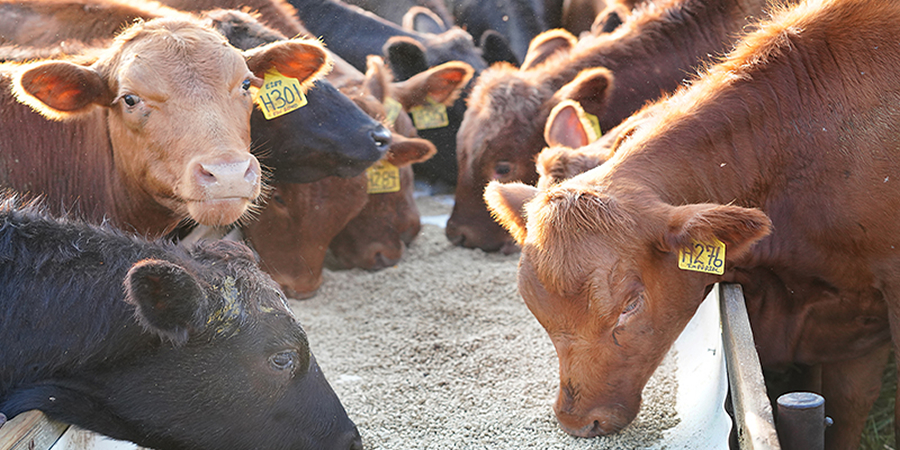
The US Department of Agriculture's (USDA) National Institute of Food and Agriculture (NIFA) has allocated three grants totalling more than US$1.4 million to Purdue University to fund research projects focusing on health issues in cattle and swine, Purdue University reported.
These grants are part of NIFA's Animal Nutrition, Growth, and Lactation Programme, which recently announced a total investment of US$13 million.
One of the grants, amounting to US$650,000 over four years, has been awarded to Jon Schoonmaker, an associate professor of animal sciences at Purdue University, and his team of six colleagues. Their research aims to gain a deeper understanding of the effects of dietary nontherapeutic antibiotics on intestinal microbial populations, the metabolites produced by these microbes, and how they impact the intestinal health of cattle.
This research is crucial as scientists currently have limited knowledge about how alternatives to antibiotics interact with bacteria and pathogens, thereby altering intestinal function and integrity.
Another grant, totalling US$510,000 over three years, has been granted to Jonathan Pasternak and John Radcliffe from the university's Department of Animal Sciences. Their project aims to explore the non-pathogenic factors that influence thyroid hormones in swine.
Pasternak's previous work has shown swine's susceptibility to thyroid hormone suppression after infection with the porcine reproductive and respiratory syndrome virus (PRRSV). By studying other non-pathogenic stressors such as weaning or transport, the team hopes to better understand the relationship between hormone levels and growth and development in swine.
Rafael Neves, an assistant professor in the university's Department of Veterinary Clinical Sciences, along with three colleagues, has received a two-year, US$300,000 grant to investigate the relationship between skeletal muscle metabolism and ketosis, a metabolic disorder that affects dairy cows shortly after giving birth. This disorder leads to negative impacts on the dairy industry, with annual losses estimated between US$110 million and US$330 million.
By focusing on the role of skeletal muscle in whole-body energy balance, Neves's team aims to develop management practices or treatments to mitigate the effects of ketosis on the production system.
The research projects supported by these grants will contribute to advancements in understanding health issues in cattle and swine, potentially leading to improved management practices and more efficient production systems.
- Purdue University


