


June 21, 2024
Malaysia's animal husbandry gets "E" grade for treatment of livestock
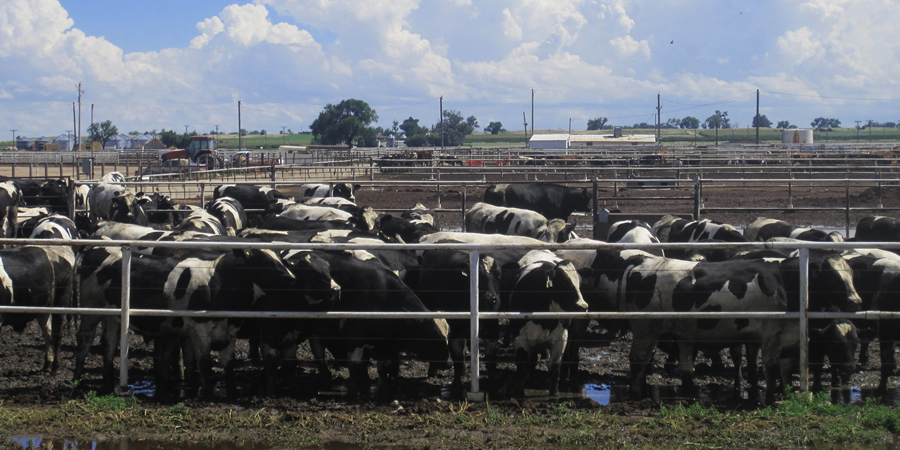
Malaysian animal husbandry practices continue to come under scrutiny for the mistreatment of farmed livestock, with the Australia-based Voiceless Animal Cruelty Index (VACI) assigning the country an "E" grade.
VACI monitors animal welfare in 50 countries that were chosen to be among the largest global producers of farmed animal products.
Stray Animal Feeders Malaysia president Kalaivanan Ravichandran backed the VACI rating and said Malaysia's treatment of farmed animals remains poor.
"Malaysia has been in the spotlight for the past few years for our high levels of animal production and consumption, yet legislation to protect farmed animals remains critically inadequate," Ravichandran said. "With poor animal welfare, factory-farmed livestock are subjected to overcrowded and inhumane conditions, such as being kept in cramped cages or enclosures.
"They are prevented from moving naturally, while young animals are separated from their mothers shortly after birth. They further undergo painful procedures such as tail docking, dehorning and castration without adequate pain relief."
Ravichandran said farmed animals are bred to grow unnaturally fast due to optimised feeding regimens and steroid injections, which can cause long-term health issues among consumers. He added that they are transported in overcrowded and stressful conditions, leading to injuries and death, while slaughterhouses often handle animals poorly, causing unnecessary suffering before their death.
Even with the enactment of laws against animal mistreatment, their enforcement remains weak and offers inadequate protection, Ravichandran noted.
"The justice system's reluctance to fully utilise the Animal Welfare Act has led to a rise in animal cruelty cases," he said. "Perpetrators are commonly prosecuted under the Penal Code, which does not provide stringent enough penalties to deter future crimes against farmed animals."
Kalaivanan added that infrastructure for veterinary services is also weak, leading to frequent disease outbreaks and inadequate health management of farmed animals. This was confirmed by Agriculture and Food Security Ministry secretary-general Datuk Lokman Hakim Ali, who said Malaysia needs at least 6,000 veterinarians to meet industry demands compared with the current 2,300 veterinarians. He added that Malaysia needs to achieve a ratio of one veterinarian to 5,000 people who own pets or livestock, compared with one veterinarian to 14,000 people currently.
According to Ravichandran, collaborating with the agricultural industry, increasing the number of veterinary doctors and reforming legislation are crucial to implementing humane farming practices.
"It is critical for the public and the country to prioritise the well-being of animals alongside the development of animal husbandry to foster a more humane and ethical society, " he said.
- The Sun


