


June 20, 2024
Backyard chickens seen as key concern of infection as bird flu spreads in Australia
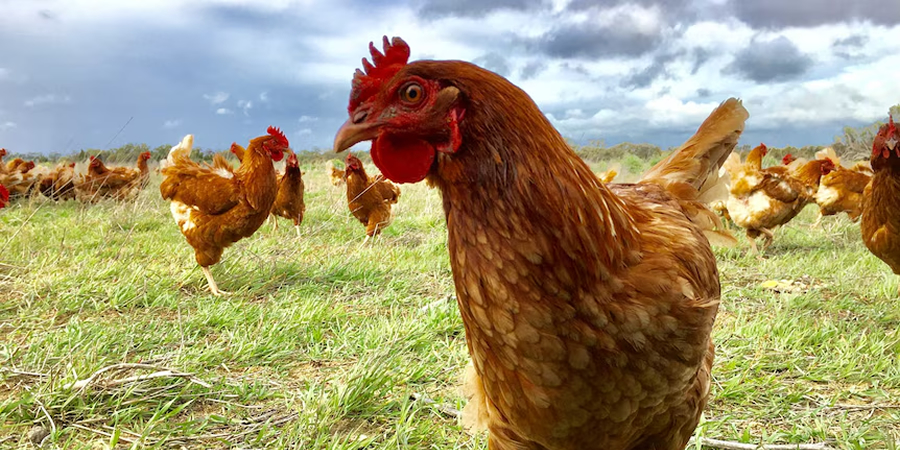
Chicken farmers in Australia are calling on backyard poultry owners to protect their animals from disease to help stop the country's largest outbreak of bird flu from spreading and further affecting the egg industry.
Following the detection of the H7N3 and H7N9 strains, hundreds of thousand of chickens have been euthanised, and quarantine zones have been set up around five farms near Meredith and Terang in Victoria.
The owner of Creswick Open Range Eggs, Boyd Carmody, who runs a low-density flock north of Ballarat, said one of the biggest threats to his operation was neighbouring backyard chickens becoming infected.
"As a pasture-based farm, our biggest threat is any pathogens that are breeding up in backyard flocks," Carmody said. "We have regular visits from veterinary consultants, a couple of regular medications, but the backyard flocks aren't getting that sort of care.
"There should be [more] education from the government — what to do and not to do."
Victoria's chief veterinarian, Dr. Graeme Cooke, said bird owners across the state should be vigilant, as avian influenza was present in Australian wild birds, the cause of the latest outbreak, and from time to time, spilled over into the domestic poultry population.
Dr. Cooke said more than 100 agriculture department staff were working with farmers to test and depopulate affected farms, conduct wildlife surveys and ramp up awareness campaigns.
"This is the largest outbreak of avian influenza Australia has seen," he said. "It's showing itself to have very high consequences and catastrophic results for affected farms, so, therefore, the response is at scale and focused on control.
"Within the controlled area, backyard chickens are required to be housed, and if that's not possible, then separate them from wild birds as much as possible."
Dr. Cooke said chicken owners should always exercise caution when interacting with their chickens. It is also advised that visitors who may have had contact with other poultry or wild birds cover their footwear or change their shoes.
"We've restricted the movements of people coming in and out of (our) property. We've only got our regular staff and we don't allow visitors," Carmody said. "We don't sell eggs from the property and when we do sell spent hens [birds who no longer regularly lay eggs], we'll cage them up and sell them a couple of kilometres away from the property.
"We just can't risk having people walking around with dirty boots and introducing [diseases] into our hens."
- ABC News


