


June 20, 2023
African swine fever continues to impact pork production in the Philippines, USDA says
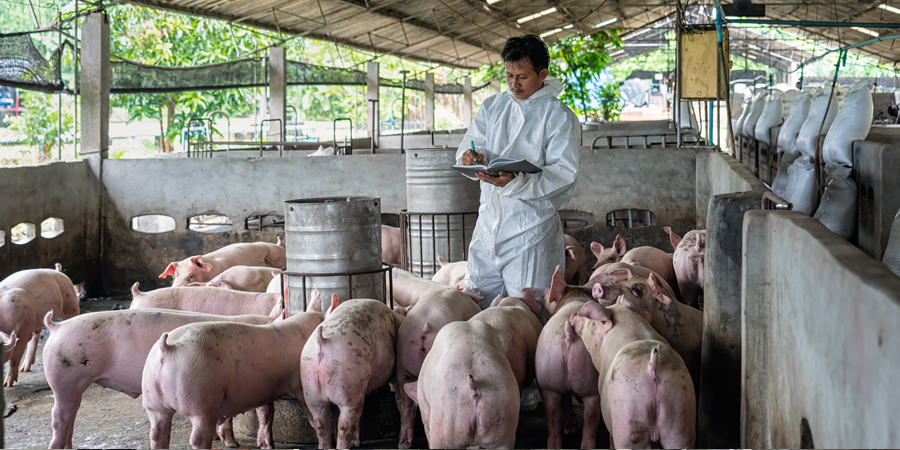
The Philippines is expected to see a decrease in pork production due to the ongoing spread of African swine fever (ASF) in the country's top-producing regions, according to the United States Department of Agriculture (USDA), BusinessWorld reported.
The USDA has estimated that pork production will reach 925,000 metric tons (MT), a 5.13% reduction from its previous forecast of 975,000 MT. The agency revised its projection in response to ASF outbreaks in provinces within the Central and Western Visayas regions, including Negros Occidental, Negros Oriental, and Aklan.
In 2022, the Central and Western Visayas regions became the first and third-largest pork producers following swine inventory losses in other parts of the country, as stated by the USDA. Central Visayas, which accounted for 13.2% of overall pork output, experienced a 7% increase to 2.78 million MT in 2022. Pork output from Western Visayas rose by 12.4% to 2.61 million MT, representing 12.4% of total production. The USDA noted that the projection does not account for the impact of earlier outbreaks in Iloilo and Cebu provinces within these regions.
While there are prospects of an ASF vaccine following successful local trials, the USDA believes that such a vaccine would have little impact on 2023 production. The Bureau of Animal Industry (BAI) recently announced the completion of clinical trials and has requested the issuance of a certificate of product registration from the Food and Drug Administration.
As of June 1, the BAI reported active ASF cases in 15 provinces, mainly confined to the Visayas region, with a few detections in Luzon and Mindanao. Jayson H Cainglet, executive director of Samahang Industriya Agrikultura, said there is a need for the creation of first border facilities to contain the ASF outbreak, emphasising the importance of enhanced biosecurity measures.
The USDA has also lowered its projection for pork imports to 500,000 MT from the initial forecast of 525,000 MT. According to BAI data, pork imports declined by 17% to 114,820 MT in the first quarter. The Philippines has increased frozen inventories to support the supply chain and has started rebuilding stocks in line with historical precedent. Importers may face a dilemma at the end of 2023 when deciding how much extra to hold due to the uncertainty of lower import duties.
Retail prices of local pork remain steady, while imported pork and local farmgate prices are expected to decline. The country's Department of Agriculture's price monitoring showed that pork belly was sold between PHP 310 (~US$5.56; PHP 10 = US$0.18) and PHP 390 (~US$6.99) per kg in Metro Manila markets, while pork shoulder ranged from PHP 280 (~US$5.02) to PHP 340 (~US$6.10) per kg.
- BusinessWorld


