


June 18, 2024
Global food industry on edge as China considers retaliatory tariffs amid EU-EV duties
Global food companies, from dairy producers to pork exporters, are closely monitoring developments amidst escalating trade tensions between China and the European Union (EU), following the EU's recent decision to impose anti-subsidy duties on Chinese electric vehicles (EVs), Reuters reported.
The anti-subsidy duties have sparked concerns of potential retaliatory measures from China, prompting a heightened state of alert across the food sector.
China's state media has indicated that domestic companies are preparing to request investigations into EU dairy and pork imports, citing anti-subsidy or anti-dumping concerns. Such actions could lead to prolonged trade disruptions and affect market stability for key agricultural products.
Ministry spokesperson He Yadong affirmed China's stance, stating that domestic industries have the right to initiate investigations to safeguard fair market competition and protect their interests.
Kimberly Crewther, executive director of the Dairy Companies Association of New Zealand, expressed concerns over potential disruptions, emphasizing the preference for stable trade environments. New Zealand, a major dairy exporter, particularly values certainty in international trade relations.
In 2023, the EU ranked as China's second-largest dairy product supplier after New Zealand, with significant exports including whey powder, cream, and fresh milk. The potential imposition of tariffs could disrupt the flow of these products, impacting both EU exporters and Chinese consumers.
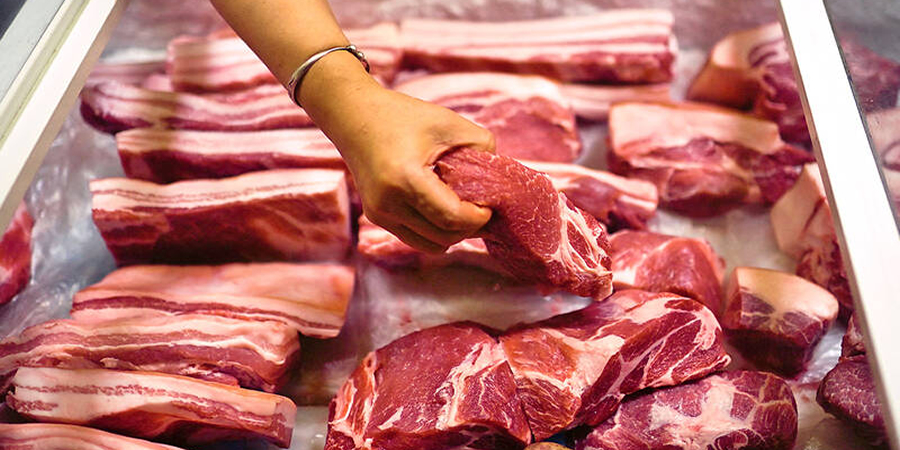
European pork producers, including major suppliers from countries like the Netherlands, Denmark, and France, are apprehensive about possible retaliatory actions from China. The Chinese market plays a crucial role for EU pork exports, with Spain leading as China's top supplier in recent years.
Cristina Alvarado from New Zealand's Exchange highlighted that any tariffs on EU dairy products by China could potentially benefit New Zealand, already a significant player in the Chinese dairy market. Both New Zealand and Australia benefit from free trade agreements with China, positioning them advantageously amidst trade uncertainties.
As tensions escalate, EU officials have cautioned against applying import duties on food products, citing the importance of open trade for global food security. EU Agriculture Commissioner Janusz Wojciechowski emphasized the EU's commitment to minimizing agricultural sector impacts from broader trade disputes.
China's history of retaliatory measures on food products during trade disputes, such as targeting Australian wine and barley, underscores the volatile nature of international trade relations. Previous actions, including investigations into Australian beef and lobsters, illustrate China's strategy in response to perceived trade provocations.


