


June 18, 2024
Vietnam's livestock industry faces challenges despite rapid growth
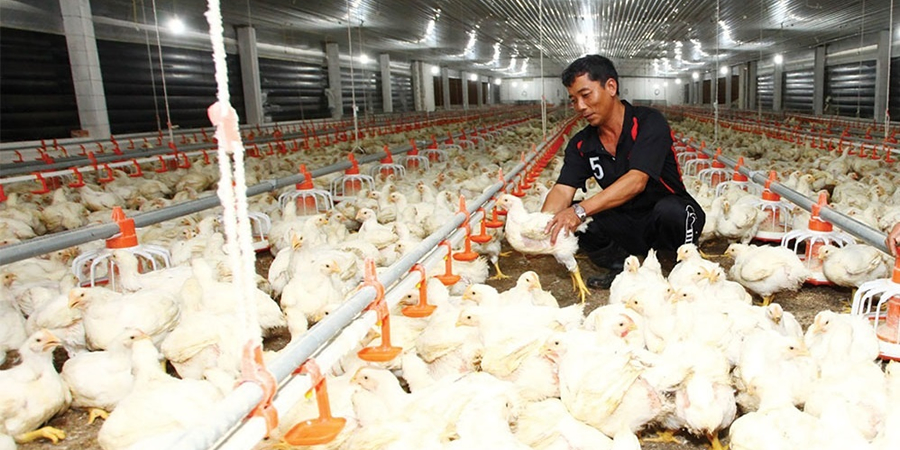
Vietnam's Ministry of Agriculture and Rural Development (MARD) has highlighted significant challenges facing the country's animal husbandry sector in recent years, revealing that millions of farming households have suffered substantial losses, Vietnam Net Global reported.
During a recent session of the National Assembly, MARD presented a report addressing inquiries regarding the state of animal husbandry in Vietnam. The report emphasised the sector's heavy reliance on imports, particularly for animal feed materials and breeders, as domestic sources fail to meet demand.
The livestock industry in Vietnam is predominantly composed of small-scale farms, which struggle to ensure biological security and maintain adequate epidemic control and food safety standards. The "from-farm-to-table" production model has yet to fully develop, posing ongoing challenges for sustainability and consumer confidence.
Despite rapid but unsustainable growth in recent years, Vietnam's livestock sector experiences frequent fluctuations in herd sizes, output, and market prices, impacting both farmers and consumers. Analysts predict continued growth in domestic demand for animal feed, projecting a need for 35 million tonnes by 2025 and 45 million tonnes by 2030, up from the current requirement of 30 million tonnes annually.
Imports currently satisfy a significant portion of Vietnam's animal feed demand, with maize, soybean oil-cake, wheat bran, DDGS (Dried Distillers Grain Solids), and other feed components making up the bulk of imports. These imports primarily originate from countries like the US, Brazil, and Argentina, which offer competitive pricing and high yields that Vietnam's domestic production cannot match.
While Vietnam boasts substantial rice and cassava production, the surplus available for animal feed is limited, with farmers often opting to export bran rather than use it domestically due to more lucrative foreign markets. Rice, traditionally priced higher than maize, is generally unsuitable for animal feed production except during periods of exceptional global maize prices.
Deputy Minister of MARD Phung Duc Tien acknowledged the severe impact on Vietnamese livestock farmers, noting instances where businesses have been forced to liquidate assets such as vehicles and land use certificates due to sustained losses. Despite the challenges, Tien stressed the importance of market discipline, urging farmers and businesses to adapt without overly relying on government support.
Looking ahead, MARD outlined strategies to support the livestock industry, including enhanced market information dissemination, fostering local partnerships for feed material cultivation, and strengthening epidemic control measures at border areas to facilitate safe import and export activities. The ministry pledged to provide ongoing market analyses and forecasts to assist farmers in planning their production strategies effectively.
- Vietnam Net Global


