


June 15, 2026
Vietnam's Hoa Phat Agriculture sustains pig cost advantage through fully integrated breeding chain
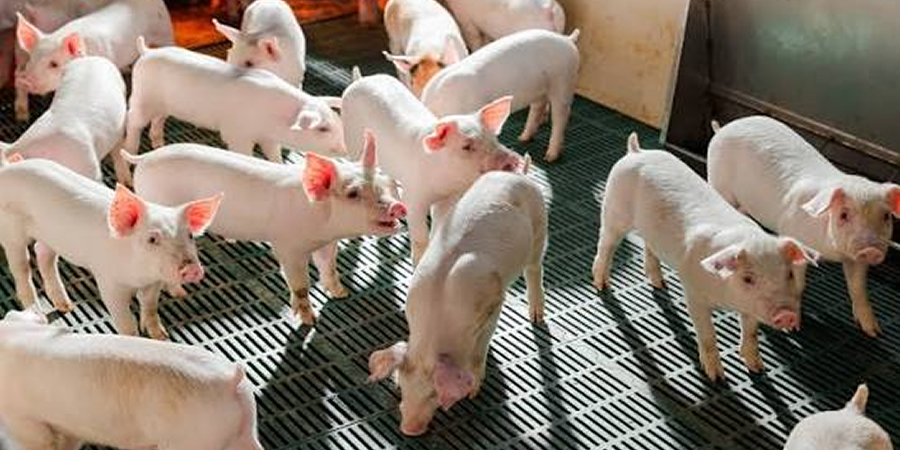
Full self-sufficiency across the breeding chain and sow productivity running one and a half times the industry average have allowed HPA to sustain margins well below market price, even as input costs rise across the sector.
Vietnam's Hoa Phat Agriculture sustains pig cost advantage through fully integrated breeding chain
Full self-sufficiency across the breeding chain and sow productivity running one and a half times the industry average have allowed HPA to sustain margins well below market price, even as input costs rise across the sector.
Hoa Phat Agriculture (HPA) has maintained pig production costs at VND42,000-45,000/kg (approximately US$1.65-1.76/kg) since 2025, around VND10,000/kg below prevailing market prices, underpinned by complete vertical integration of its breeding chain and above-average sow productivity.
The company presented its operational model to investors at the Emerging Vietnam 2026 conference, organised by Ho Chi Minh City Securities Corporation (HSC) in Ho Chi Minh City on 11 June. Pig farming is HPA's largest profit contributor, with a return on equity exceeding 80%.
HPA currently operates eight pig farms across Vietnam, supporting a sow herd of 25,000 head and producing approximately 750,000 market pigs per year. Total investment across the farm system stands at over VND3,000 billion (approximately US$117.6 million), of which VND1,200 billion (approximately US$47.1 million) is equity capital. The company has funded the entire system through its own capital and depreciation reserves, without recourse to long-term borrowing.
The cost advantage stems from HPA's control of the full breeding chain, from great-grandparent and parent stock through to commercial pigs, using the Danish DanBred breed. Each HPA sow produces 33 to 34 weaned piglets per year, against an industry average of 20 to 22. The company's breeding piglets are sold commercially at approximately VND2.4 million (approximately US$94) per head.
HPA also directly owns nearly 400 hectares of land across its farm system, acquired when land prices ranged from VND160-300 million per hectare. Current land costs in comparable localities have risen to VND1.5-3.0 billion per hectare, giving the company a significant long-term cost advantage on its existing asset base.
Farm infrastructure is built to standardised biosecurity specifications, including industrial UV water disinfection systems and wastewater management protocols designed to prevent pathogen spread. HPA does not acquire or lease existing farms on the open market, citing the inability of most available facilities to meet its biosecurity standards.
Two farms are expected to contribute additional output later this year. The Minh Duc farm in the South, which completed a comprehensive renovation in 2025, is scheduled to resume pig breeding by end-June 2026, with the first batch of market pigs expected by year-end. At full capacity, the farm can produce approximately 150,000 market pigs annually. The Long Ha 2 farm is finalising administrative procedures following a local government reorganisation, with pig releases also targeted for later this year.
HPA has set a target of expanding its sow herd to approximately 31,000 head by 2030. The company said growth will be managed in line with its capacity to maintain biosecurity and operational control, citing a current industry attrition rate for unskilled farm labour of around 50% as one of the key constraints on expansion pace.
- Nong Nghiep va Moi Truong


