


June 9, 2023
Australian beef industry showcases sustainability achievements in annual update
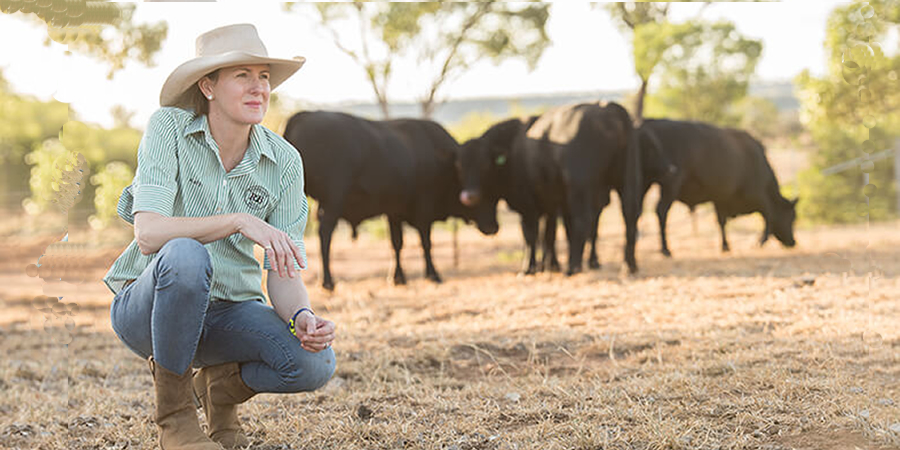
The 2023 annual update by the Australian Beef Sustainability Framework (ABSF) showed the industry's commitment to sustainability and animal care, positioning Australian beef as an excellent choice for consumers, Mirage News reported.
With the goal of achieving carbon neutrality by 2030, the red meat industry in Australia has already made significant progress, as evidenced by a 64.07% reduction in net CO2 emissions in 2020 compared to 2005 levels, amounting to 45.21 million tonnes.
The industry has been increasing the percentage of feedlot capacity with access to shade to improve animal welfare, reaching 63% and on track to achieve 100% by 2026. Moreover, the mortality rate of cattle during sea voyages has more than halved in just two years, reaching a record low of 0.05%.
Grazing land has also witnessed an increase of almost 780,000 hectares in tree cover between 2020 and 2021, while the legal removal of primary vegetation has reached a historic low.
Peter Hall, the President of AgForce Cattle Board, applauded the industry's exceptional performance, highlighting the producers' dedication to their responsibilities toward animals, the environment, and consumers, despite facing challenges such as drought, floods, fires, labour shortages, disease threats, and rising energy costs.
The Australian Beef Sustainability Framework (ABSF), driven by industry and spearheaded by AgForce Cattle Board Director Mark Davie's Sustainability Steering Group, was developed to meet the evolving expectations of customers, consumers, and investors while identifying avenues for industry enhancement. Following a process of stakeholder engagement, development, and consultation, the Australian beef industry has committed to five key goals.
These goals include providing cattle with an environment conducive to their thriving based on the five domains of animal welfare, demonstrating net positive contributions to nature by 2030, achieving net-zero greenhouse gas emissions across production and processing sectors by 2030, doubling the value of industry products and services by 2030, and becoming a trusted industry that attracts a diverse workforce, instils pride and belonging, and contributes positively to food security both domestically and internationally.
Hall said these goals are important in building trust with consumers and urged consumers to play their part as well. He said that cattle are not the enemy when it comes to climate concerns, highlighting that emissions from the industry are fully recycled and differ from those produced by fossil fuels. The industry is actively working to reduce methane emissions as part of its carbon-neutral target for 2030.
- Mirage News


