


June 5, 2026
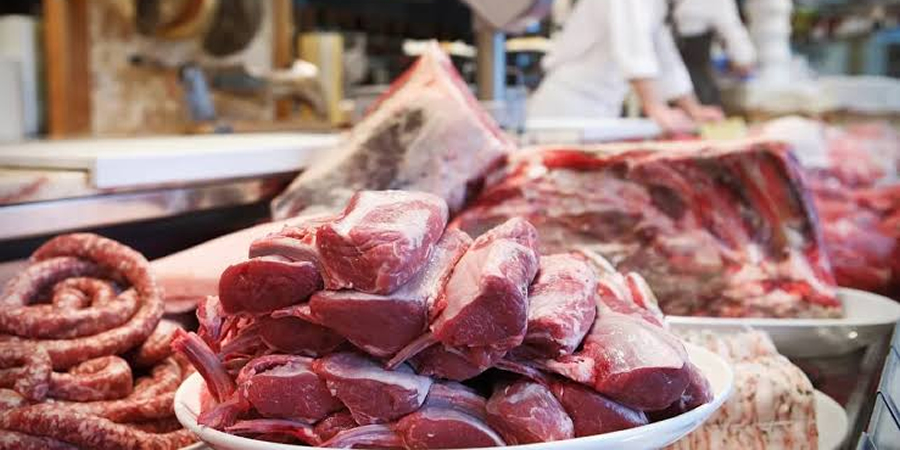
Croatia still significantly dependent on some meat imports
Geopolitical developments, macroeconomic trends, and climate change are increasingly shaping global food security, with access to food also influenced by tariffs and trade agreements.
Experts said these shifting conditions require adaptation across food systems, including in Croatia.
While Croatia remains strong in crop production, particularly cereals and oilseeds, it continues to rely heavily on imports for several key food categories, including meat, fruit and vegetables.
According to officials from the Ministry of Agriculture, Forestry and Fisheries, Croatia achieves a high level of self-sufficiency in arable crops such as wheat, corn, and soy, exceeding 100% in some categories.
The country also records around 70% self-sufficiency in poultry meat and over 90% in eggs. However, self-sufficiency drops significantly in other areas, with certain meat and dairy products around the 50 per cent mark, HRT reported.
Agricultural stakeholders noted that increasing domestic pork production remains difficult due to oversupply on the wider European market.
Industry representatives said reduced demand from countries such as China has contributed to surplus pork within the European Union, pushing prices down and affecting competitiveness for local producers in Croatia.
As a result, cheaper imports place additional pressure on domestic producers, making it harder for them to expand production capacity and compete on price.
Despite structural weaknesses, experts emphasised that food supply stability in Croatia is closely linked to the European market.
They note that as long as Croatia remains part of the single European market, overall food availability is secured through wider EU production capacity. However, they also warn that in the event of major disruptions, domestic production alone would not be sufficient to meet national demand.
Food and agricultural analysts are calling for increased investment in processing facilities, slaughterhouses, and storage infrastructure to strengthen the sector and improve resilience.
The focus, they argue, should shift from raw commodity production towards higher value-added food products, which can increase profitability and reduce reliance on subsidies.
Economists said value-added production not only increases revenue but also improves long-term resilience for farmers by reducing dependency on public support and enhancing competitiveness on both domestic and export markets.
- Croatia Week


