


June 2, 2026
Indonesia suspends poultry business recommendations as farm-gate chicken prices fall below reference levels
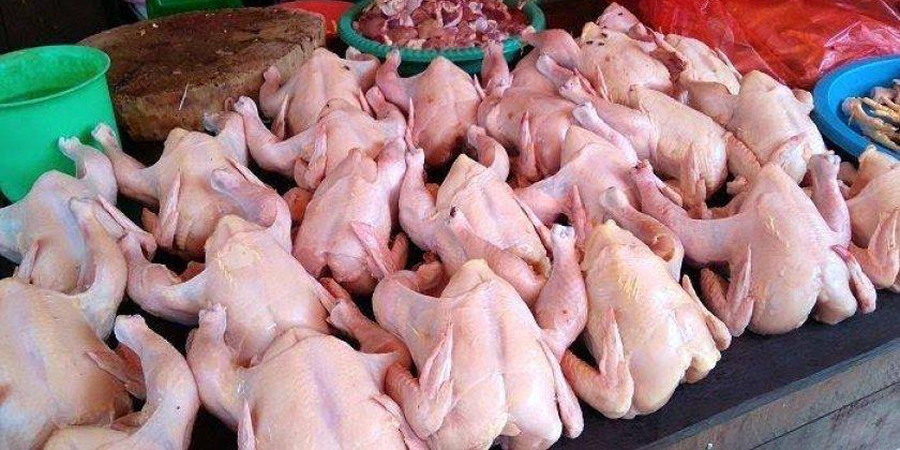
Live bird prices in Central Java have dropped to IDR15,000/kg against a government reference of IDR19,500/kg, with smallholder farmers bearing the heaviest losses.
Indonesia's Agriculture Ministry has temporarily suspended corporate recommendations for poultry businesses and convened an emergency coordination meeting with slaughterhouse operators as farm-gate live chicken prices remain below the government's reference price of IDR19,500 per kilogram (US$1.11) in multiple regions.
Ketut Wirata, the ministry's Director of Veterinary Public Health, said live bird prices in Central Java have fallen to IDR15,000 per kilogram (US$0.86), well below production costs, threatening the viability of independent and small-scale farmers. "For independent farmers, this situation could accelerate the process of bankruptcy," Wirata said.
The suspension of ministry recommendations, covering various poultry sector approvals — will remain in place until prices recover to the government reference level. Wirata urged poultry slaughterhouses and the Indonesian Poultry Slaughterhouse Association (ARPHUIN) to refrain from purchasing live chickens below the agreed reference price, describing slaughterhouses as a critical instrument in absorbing farm production and controlling market supply.
Director of Livestock Breeding and Production Hary Suhada said the coordinated postponement of recommendations reflected the government's commitment to price stabilisation at the farm level, and called on all industry participants to avoid contributing to further price declines.
ARPHUIN Chairman Sigit Pambudi said slaughterhouses are operating at maximum capacity, including during public holidays, to absorb live bird supply. He said operators are equally facing pressure from weak demand and are not exploiting the price situation.
The ministry attributed the price weakness to a combination of declining consumer demand and excess live chicken supply in the market.
- ANTARA


