


May 31, 2024
FAO experts convene to enhance integrated biosecurity index
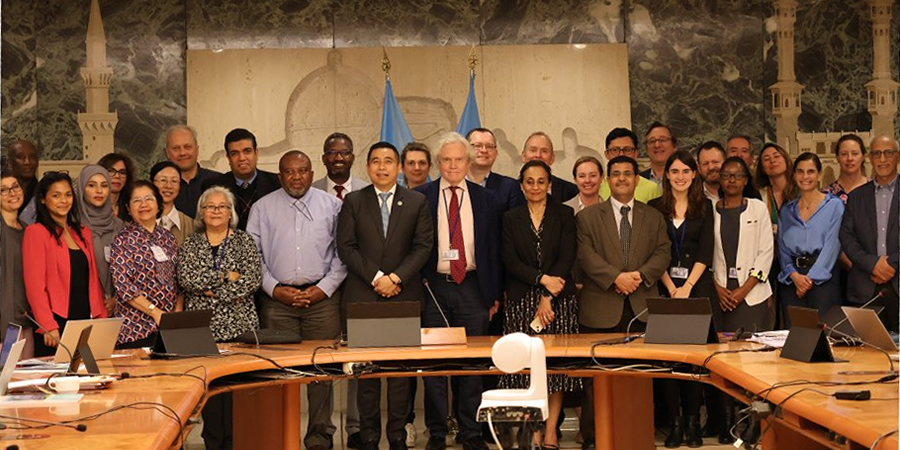
Technical experts from the Food and Agriculture Organisation (FAO), joined by external specialists, gathered in Rome, Italy to review the first iteration of the FAO integrated biosecurity index (IBI).
This comprehensive tool covers five critical sectors: aquatic and terrestrial animal health, plant health, food safety, and forestry/invasive species management. Its purpose is to refine the measurement of biosecurity system status and progress at both national and sub-national levels, ensuring effectiveness, efficiency, and sustainability.
The new integrated approach builds on the foundation laid by the 2007 biosecurity toolkit, which provided essential guidance for developing and executing biosecurity frameworks at the national level. The IBI draws inspiration from successful biosecurity implementations in countries such as Belize, Norway, and New Zealand.
The rising interest in biosecurity is driven by increasing global trade in food, plant, and animal products, changing international travel patterns, and the emergence of transboundary disease outbreaks affecting humans, animals, and plants. There is also a growing awareness of biological diversity and concerns about agriculture's impact on environmental sustainability.
Biosecurity is a cornerstone of FAO's work, with various divisions: animal health, food safety, aquaculture, forestry, and plant health integrating biosecurity frameworks into their operations. In the plant health division, biosecurity activities include initiatives related to the locust hub and combating fall armyworms. Forestry efforts involve developing a global framework for forest biosecurity. In aquaculture and animal health, ongoing initiatives such as the Progressive Management Pathway to Aquaculture Biosecurity and the Progressive Management Pathway to Terrestrial Animal Biosecurity play pivotal roles.
The biosecurity index aims to transcend sectoral boundaries by integrating specialized tools and adhering to the One Health approach. This integration is designed to complement existing sector-specific tools, fostering a collaborative environment for prevention, preparedness, and management, all aligned with the One Health Preparedness and Response Action Framework.
At the national level, the index is envisioned as a planning tool, facilitating comprehensive assessments across ministries to identify strengths, weaknesses, opportunities, and threats.
Feedback from the technical consultation, along with a series of national and inter-regional workshops throughout the year, will be used to revise the index criteria and indicators. This will ensure a balanced and unbiased approach across countries and production chains, including international trade.
- Food and Agriculture Organisation of the United Nations


