


May 29, 2025
Bluetongue virus restricted zone to cover all of England
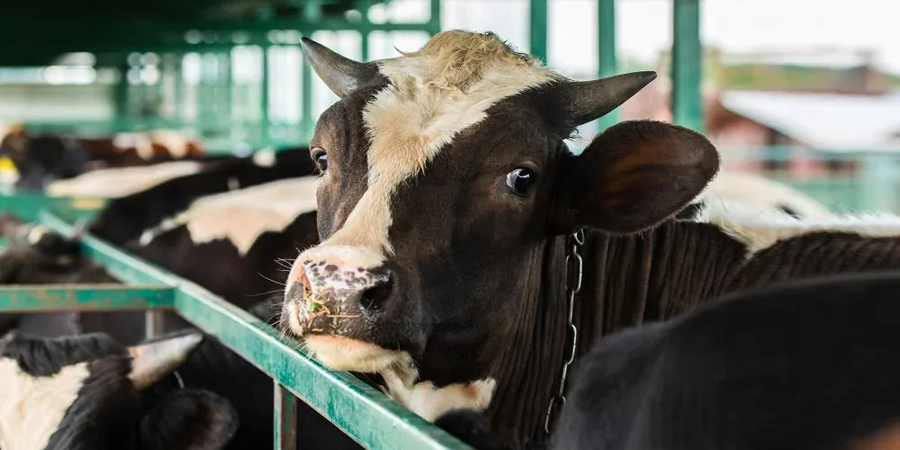
The Bluetongue Virus restricted zone will be extended from July 1, 2025 to cover the whole of England, ending movement restrictions for animals and allowing farmers to move cattle, sheep, all ruminants, camelids, throughout England without movement tests.
Bluetongue virus (BTV-3) is primarily transmitted by midge bites and affects cattle, goats, sheep, goats, deer and camelids such as llamas and alpacas. The impacts on susceptible animals can vary greatly – but in most cases seen since September 2024, clinical signs have been mild and animals have recovered.
The decision to extend the zone follows consultation between industry and scientists recognising that the area of England where disease has been found is now too large for movement restrictions to remain an effective and proportionate way of controlling the disease.
Many areas of England are now affected by BTV and safe and effective vaccines are available. Bluetongue serotype 3 (BTV-3) vaccines are now available and farmers are strongly encouraged to discuss their use with their private vet as vaccination is the most effective way to protect livestock from bluetongue.
This new approach is in alignment with the approach taken throughout the EU. This will also allow a renewed focus on resources on higher priority disease risks, which now presents a greater risk to industry, such as foot-and-mouth disease and African swine fever.
"Through movement controls, we have slowed the westerly spread of bluetongue until vaccines are available. We are now moving away from government-imposed movement controls, which are costly and disruptive to farming, particularly those within the zones. An all-England restriction zone will allow livestock farmers currently impacted by burdensome restrictions to be on equal footing with rest of England," UK chief veterinary officer Christine Middlemiss said.
Middlemiss also encouraged farmers and keepers to consult with their private veterinarians about using BTV-3 vaccines to protect herds and flocks, as this is the most effective method for safeguarding susceptible species. She also urged livestock keepers to immediately report suspected cases.
"I urge all livestock keepers to report suspect disease. It is especially important to remember that foot and mouth disease and bluetongue can have similar clinical presentation. BTV is a notifiable disease. Farmers should continue to monitor their animals frequently for clinical signs and report suspicion of disease immediately, they should also make sure their animals and land are registered with APHA (Animal and Plant Health Agency) so keepers can be kept informed and animals easily located."
On the other hand, restrictions on the freezing of germinal products within the restricted zone will remain.
- UK Department of Environment, Food and Rural Affairs (Defra)


