


May 29, 2024
Pigs in Philippines suffering from lower weight due to El Niño-linked heat, says industry official
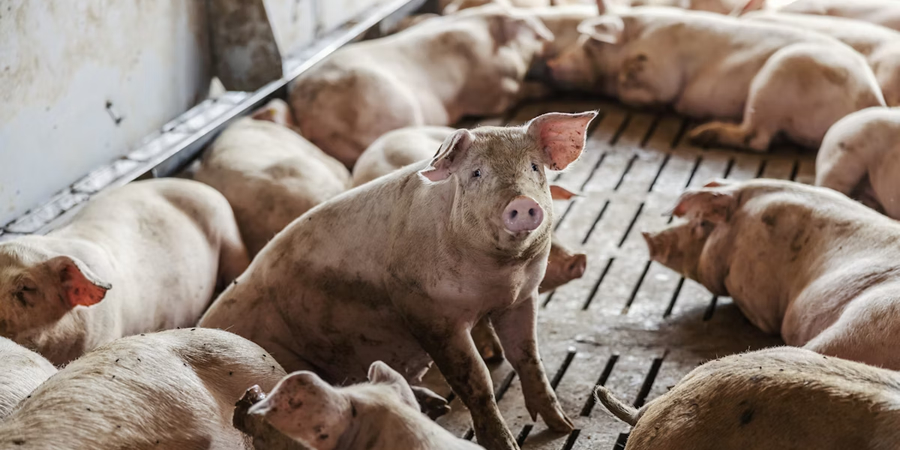
Pigs in the Philippines are suffering from heat stroke and weight reduction amid a high heat index caused by El Niño, according to the National Federation of Hog Farmers Inc.
From an average of 115-120 kilos, pigs' weight went down to 90-100 kilos, the group's vice chair Alfred Ng said in an interview.
"The El Niño has created excessive heat. This is the first time that we experienced this kind of heat index. The performance of the pigs dropped," Ng said.
Hog farmers are forced to sell pigs despite their lower weight due to high feed costs, he added.
"Even when you feed them, the pigs don't eat much because of the high heat index and they do not grow," he explained.
Pigs have also died due to heat stroke, he noted.
"Mainly because if they do not eat, their immune system is compromised. They suffered secondary infections, bacterial infections," he explained.
Ng did not disclose the percentage of pigs affected by extreme heat but said it can be managed.
The retail price of pork should not exceed ₱360 (US$6.19) per kilo as the Department of Agriculture reported that pork belly was sold for as high as ₱420 (US$7.23) per kilo, Ng said.
"The farmgate price is around ₱200 (US$3.44) to ₱205 (US$3.53) per kilo and normally, traders will add ₱120 (per kilo) for the additional cost so it (retail price of pork belly) should only be between ₱320 (US$5.51) and ₱340 (US$5.85) per kilo. We do not know why it increased that much in the market. The problem is in the middle," he elaborated.
Ng gave assurance that there is enough local supply of pork, with hog production expected to increase between 10% and 15% this year.
As for African swine fever cases in Luzon, no increase has been recorded, Ng said.
Hog farmers are involved in repopulation efforts, he noted.
"They are trying to increase the repopulation. It is only being hampered by the high heat index," he added.
- The Philippine Star


