


May 29, 2024
Andhra Pradesh, India, sees worrying levels of antibiotic resistance in poultry production
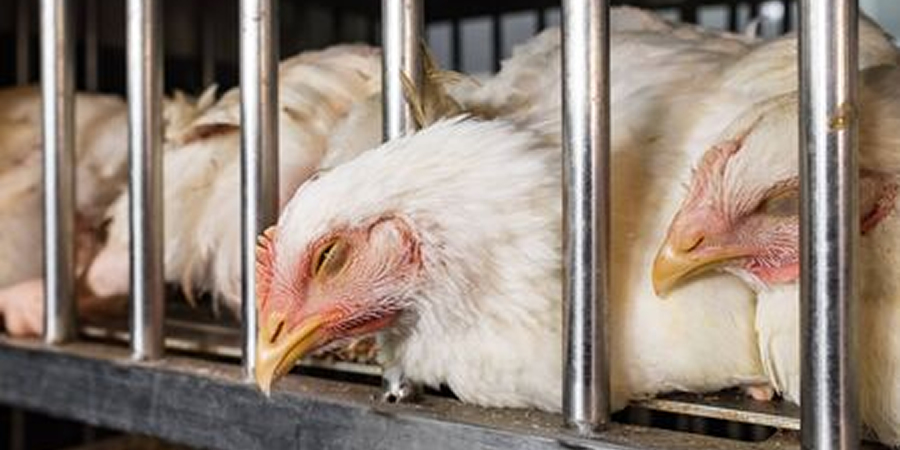
Alarming levels of antibiotic resistance have been found in the poultry environment of Andhra Pradesh, India.
A new study conducted by Delhi-based environmental research and advocacy organisation, Toxics Links and international NGO, World Animal Protection found high levels of resistance genes against medically important antibiotics in the poultry environment. This also provides evidence of antibiotic use in poultry and its role in increasing trends of antimicrobial resistance (AMR).
Poultry meat production constitutes about 50% of India's total meat production. Broiler production is mainly concentrated in Tamil Nadu, Andhra Pradesh, Maharashtra, Uttar Pradesh and Telangana.
In the study, 14 samples in total, including poultry litter samples and borewell water-groundwater samples, were collected from three poultry farms in Vijayawada and Guntur.
The study indicated an alarming presence of antimicrobial resistance genes (ARG) against 15 important antibiotics, including glycopeptides, carbapenems and macrolides.
Toxics Link also conducted both offline and online surveys which found that poultry farmers are using antibiotics indiscriminately due to a general lack of awareness and understanding of the possible consequences.
Despite the recommendation of the Bureau of Indian Standards to not use antibiotic growth promoters (AGPs) in poultry feeds, these continue to be available in the markets and used by poultry farmers. Incidentally, Colistin, a last-resort antibiotic drug for treating multidrug-resistant infections, which was banned for use in food-producing animals by the Union Ministry of Health in 2019, is still being sold through online platforms.
ARGs are genetic facilitators of AMR which causes bacteria, viruses, fungi and parasites to no longer respond to antimicrobial medicines. Although naturally occurring, ARGs in the environment have increased in recent years due to anthropogenic activities leading to overuse and misuse of antimicrobials across different sectors. This has led to diseases such as pneumonia, gonorrhoea, post-operative infections, HIV, tuberculosis and malaria becoming increasingly untreatable, said a representative of Toxics Links.
"Poor animal husbandry practices, especially in poultry farming, significantly contributed to antibiotic overuse," said Gajendra Sharma of World Animal Protection. "Farmers often administer antibiotics preventatively and for disease treatment, resulting in high levels of antibiotic residues in both food products and waste. Addressing the root cause of antibiotic misuse in the animal farming sector especially poultry is critical for controlling and reducing AMR. World Animal Protection strongly advocates for the effective integration and implementation of animal welfare into national and state action plans to combat AMR. The time to act is now to safeguard the health and welfare of animals, humans and the planet."
"India is highly vulnerable to risk related to AMR and there is a need to revisit the implementation of the National Action Plan," said Toxics Link associate director Satish Sinha. "The country needs to identify potential hot spots, set up robust monitoring and surveillance systems to restrict the overuse of antibiotics across all sectors and adopt environmentally sound waste and effluent management practices."
- Deccan Herald


