


May 28, 2025
Tariffs disrupt global pork trade as disease risks rise
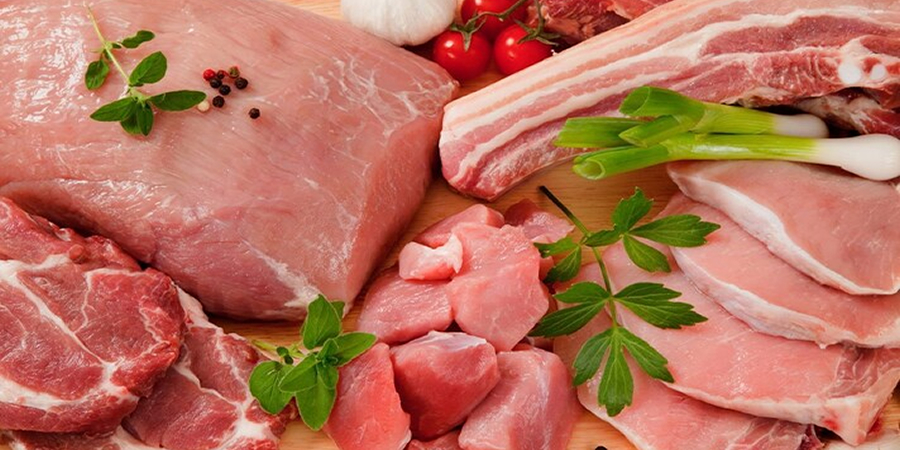
Pork prices have rebounded and remain strong despite shifting trade flows and rising economic and consumer uncertainties, Rabobank says in its latest Global Pork Quarterly report.
Rising tensions between the US and China are creating opportunities for other suppliers, particularly the European Union (EU) and Latin America.
Christine McCracken, senior analyst – animal protein for RaboResearch, says rising geopolitical tensions have limited impact on global pork markets, but are likely to redirect global trade volumes in the coming months. Despite the agreement between the US and China to reduce tariffs substantially for 90 days, the added tariffs on US pork could still curtail trade.
"For China's swine sector, this development is likely to be price supportive, while alternative suppliers like the EU, Chile, and Brazil may also benefit," McCracken says. "Chinese importers that previously relied on US pork are likely to face margin pressure, while US pork exporters will likely see weaker offal values. With China's market largely out of reach, alternative markets will absorb exports at reduced prices."
US-China trade tensions could also affect feedstocks, particularly soymeal, she adds. Slower US oilseed exports may reduce feed costs for US hog producers, partially offsetting export losses.
"Given the uncertainty surrounding future US trade policy, investment in US pork sector expansion is expected to slow, while other regions may see slightly faster growth," McCracken says.
Tighter hog supplies due to limited growth in the sow herd and ongoing health and productivity challenges have helped pork prices rebound, the report explains. The slow production response not only reflects growing market uncertainty resulting from weaker economic growth prospects but also the risk of trade disruptions from rising geopolitical tensions, McCracken points out.
"We expect limited demand improvement for the rest of the year. High beef and poultry prices, along with the expected shift in consumer spending from food service to retail (where pork tends to perform better) may offer support," she says.
However, the report says potential export disruptions in the US and China, combined with slower economic growth and consumer spending pressures, are likely to cap additional improvement.
"Despite these headwinds, the industry remains relatively well-balanced, as limited sow herd growth is expected to constrain global pork supply," she says.
Swine health challenges linger around the world, causing constrained production in several key regions and weakening demand. The most significant development in the first quarter of 2025 was the reappearance of foot-and-mouth disease (FMD) in the EU – marking the first outbreak in decades – and new cases in pigs in South Korea. Although several trade restrictions were put in place, they are gradually being lifted due to the absence of further outbreaks, the report says.
The battle with African swine fever across much of Asia and parts of Europe isn't over yet. New cases and challenges in controlling the spread among wild boar populations are contributing to ongoing production losses and trade disruptions, McCracken notes. Additionally, porcine reproductive and respiratory syndrome (PRRS) is having a negative impact on pork production in parts of North America and Europe.
A strong South American harvest is expected, along with good planting progress for corn and oilseeds in the Northern Hemisphere. This is providing tailwinds for feed cost, the report says. Still, geopolitical disruptions continue to impact global grain and oilseed trade.
Factors such as US dollar volatility, rising geopolitical tensions, ongoing US-China trade disruptions, and signs of a potential resolution to the Russia-Ukraine war are all influencing short-term market dynamics, McCracken writes. Larger grain supplies and rising stock levels should help keep feed costs manageable.
"Our base case scenario for commodity prices suggests relatively flat feed costs for the remainder of 2025. However, geopolitical developments and weather-related uncertainties remain key risks," warns McCracken.
- Farm Journal's Pork


