


May 27, 2026
Vietnam's major conglomerates step up agricultural push as sector modernises
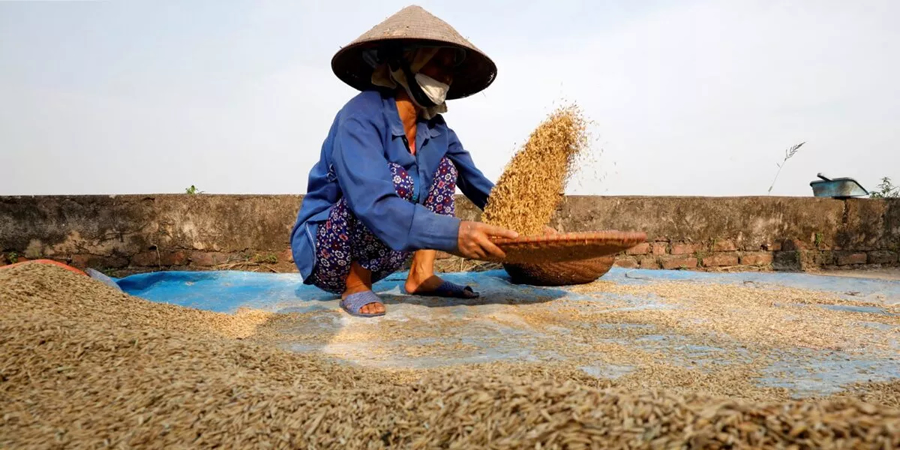
From Hoa Phat's feed and livestock targets to Geleximco's $300 million high-tech project, large industrial groups are reshaping Vietnam's agricultural industry landscape.
Several of Vietnam's largest private conglomerates are deepening their agricultural footprints, with animal feed production, livestock farming and vertically integrated supply chains emerging as the primary focus areas for long-term capital deployment.
The most recent entrant is Geleximco, a conglomerate with roots in industrial manufacturing, finance and real estate, which has submitted a joint investment proposal alongside Duc Khang Tu Xuyen Agriculture-Forestry-Fisheries Food Group for a high-tech livestock and tea cultivation project in Tuyen Quang province. The proposed development would span approximately 552.8 hectares at a total investment of $300 million, to be implemented in three phases between 2027 and 2035, and is expected to create around 1,400 jobs.
Steel-to-agriculture major Hoa Phat Group (HoSE: HPA) is among the most advanced in executing its agricultural strategy. Operating through Hoa Phat Agricultural Development, the group is active in animal feed production, pig and cattle farming, and poultry egg production across northern Vietnam. By 2030, the company targets annual feed output of 1 million metric tons, commercial pig production of 900,000 head, a cattle herd of 73,000 head and annual egg production of around 336 million units.
Automotive conglomerate Thaco Agri has taken a different approach, building an integrated model across more than 84,000 hectares in Vietnam, Laos and Cambodia following its restructuring of HAGL Agrico's assets in 2019. The model spans cultivation, livestock, logistics, processing and exports, with a stated aim of full digitalisation and mechanisation of the production value chain. However, HAGL Agrico's restructuring has continued to weigh on results, with the entity posting losses every year since 2021 and accumulated deficits exceeding VND10 trillion (US$379 million) as of the first quarter of 2026.
Among established livestock operators, Dabaco Group has expanded from traditional farming into a closed production chain covering breeding, feed, livestock and food processing, and has accelerated investment in vaccines and biotechnology. BaF Vietnam has grown rapidly in pig farming under a feed-farm-food integrated model, while PAN Group operates across seed production, seafood, packaged foods and agricultural exports.
The broad corporate entry into Vietnamese agriculture reflects a structural shift in how the sector is perceived — less as traditional farming and more as an industrial-scale supply chain business, where capital intensity, technology and logistics integration determine competitive position.
— VietnamPlus


