


May 27, 2026
Philippine hog raisers challenge pork MAV hike, citing stable supply and negative price inflation
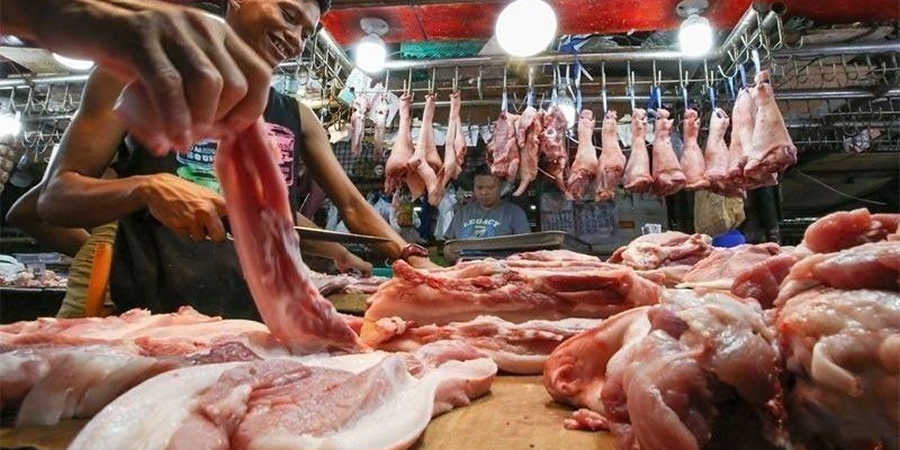
Industry group SINA says the near-fourfold increase in import volumes was implemented without stakeholder consultation and risks making local production uncompetitive.
The Samahang Industriya ng Agrikultura (SINA) has challenged the Marcos administration's decision to raise the pork minimum access volume (MAV) from 54,000 metric tons to 204,000 metric tons, arguing that stable domestic supply, easing prices and the absence of prior consultation with producers make the expansion difficult to justify.
SINA Chairman Rosendo So said local hog production has remained broadly in line with year-earlier levels while imports have already been rising, and that pork prices have declined rather than increased. Philippine Statistics Authority data show pork inflation running at negative 2.2% in February, negative 1.8% in March and negative 1.1% in April. Farmgate prices, which had previously reached around PHP220 per kilogram (US$3.89), have fallen to roughly PHP190 per kilogram (US$3.36) this year. "There is no shortage," So said.
So said industry groups were caught off guard by the policy and that proper consultation had not taken place before its implementation. He said discussions with Agriculture Secretary Francisco Tiu Laurel Jr. had centred on a possible retail price cap of around PHP380 per kilogram (US$6.73), not tariff reductions. "The discussion was not about lowering tariffs," he said.
The cost gap is the core concern for producers. So estimated that imported pork carrying a 15% tariff would arrive at a landed cost of PHP167 to PHP173 per kilogram (US$2.95 to US$3.06), against a local farmgate price of roughly PHP190 per kilogram (US$3.36) for live hogs and production costs for dressed pork of up to PHP290 per kilogram (US$5.13). "The difference is about PHP100. That is why we are saying local hog raisers will die," he said.
So also warned the policy could have wider industry consequences, potentially discouraging domestic hog production and dampening demand in related sectors including corn farming and feed milling.
— Philippine Tribune


