


May 26, 2025
Grain prices drop in North Korea
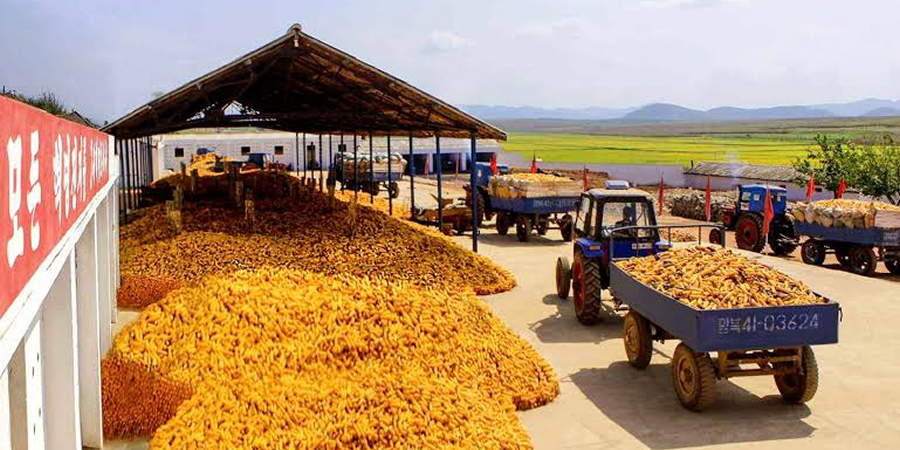
Prices of corn and rice across North Korea have recently declined following weeks of steady increases.
The drop coincides with increased cross-border imports and the beginning of spring farming mobilisations, which have reduced market demand due to partial food ration distributions.
According to Daily NK's regular market survey, rice in Pyongyang cost ₩9,000 (US$10) per kilogramme on May 10—a 5.3% decrease from the April 27 price of ₩9,500 (US$10.55).
Similar price drops occurred in other regions. In Sinuiju (North Pyongan province) and Hyesan (Ryanggang province), rice prices fell to ₩9,100 and ₩9,200 per kilogramme respectively, representing decreases of 4.9% and 5.2% since the previous survey.
Rice prices had climbed above ₩9,500 per kilogramme in late April, with Hyesan reaching ₩9,700 (US$10.77)—the highest since North Korea's 2009 currency reform. However, this upward trend has reversed in May.
Corn prices fell even more dramatically than rice. In Pyongyang, corn dropped to ₩3,600 (US$4)per kilogramme on May 10, a substantial 16.3% decrease from the April 27 price of ₩4,300 (US$4.77).
Markets in other regions also saw corn prices fall by over 10%, with prices dipping below ₩4,000 (US$4.44) for the first time in two months. This marks a significant change, as corn had consistently cost over ₩4,000 (US$4.44) since mid-March.
The declining grain prices appear to stem from two main factors: government agencies releasing stored grain as agricultural mobilizations begin, and recent increases in grain imports.
With rice-transplanting season underway, all workplaces—including government offices, businesses, and schools—have begun mobilizing workers for farm labour. During this period, some workplaces provide small amounts of rice and corn to workers assigned to agricultural duties. Though these distributions aren't substantial, they seem to have helped reduce market demand for grain.
Additionally, the agricultural mobilisation period typically results in shortened market hours and fewer shoppers, as many people are sent to distant farms. This reduced market activity likely contributes to lower grain prices.
A source inside North Korea told Daily NK that grain imports through border regions including Ryanggang, North Hamgyong, and North Pyongan provinces have recently surged.
"The state has instructed party agencies, enterprises of all sizes, trading companies, and other organizations to prioritise items that could normalise food distribution when importing goods using government-issued trade permits," the source explained.
However, experts caution that even with increased imports, North Korea cannot fully address its food shortages. Consequently, the current drop in grain prices may be temporary.
Cho Chung-hee, director of Good Farmers' research institute and a North Korea agriculture expert, told Daily NK that even with expanded food imports, "meeting North Korea's daily food requirement of 10,000 tonnes would be difficult."
While food imports might temporarily affect market prices, Cho said he believes that "increased food imports and falling market prices were unlikely to continue."
- Daily NK


