


May 26, 2025
Lumpy skin disease hit livestock in Sylhet District, Bangladesh
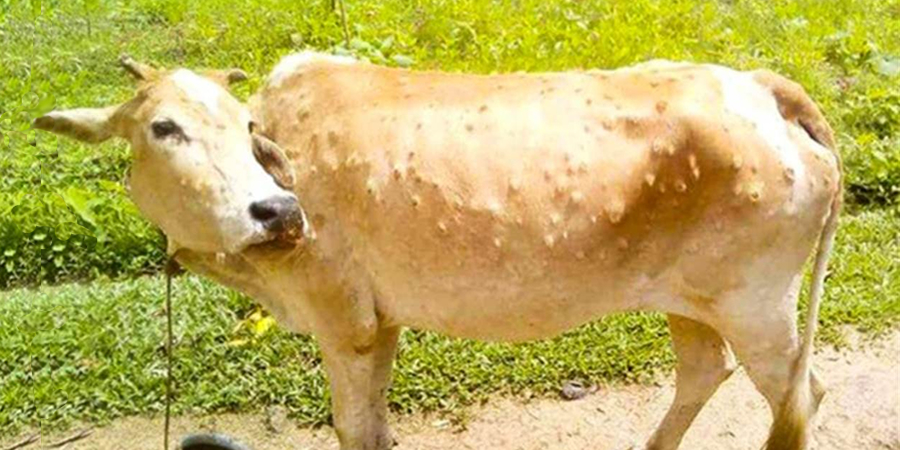
A highly contagious virus called lumpy skin disease (LSD) is spreading rapidly among cattle in several parts of Sylhet district in Bangladesh, sparking concern among farmers ahead of Eid-ul-Azha festival.
As the number of infected cattle continues to rise rapidly, farmers and households are panicking and turning to the livestock department and local veterinary doctors for treatment options.
District livestock officials report that although the disease first appeared in Bangladesh in 2019, it has been spreading more widely in recent days. Officials and veterinarians attribute this increase to the reluctance and negligence of farmers and livestock owners regarding vaccination. Proper vaccination is essential for preventing the disease.
Lumpy skin disease originated in Africa and entered Bangladesh through artificial insemination. Infected cattle initially experience swelling of the skin, which develops sores, followed by fever. In some cases, fluid accumulation can occur in the cows' feet, and they may lose their appetite. Eventually, the skin may blister and become infected.
While the mortality rate from LSD is low, the disease significantly impacts milk production and the quality of the skin. The affected animals' skin becomes unmarketable due to infection, and infected cows also experience a decrease in milk production. Calves are particularly at risk, with many farmers reporting that several affected calves have already died. Experts believe that the disease may spread more easily in warm and humid weather.
In a recent incident in the South Surma area of Silam Union, a calf died from LSD, and another was infected, as treatment provided by local village doctors proved ineffective. In many instances, farmers are seeking assistance from city veterinarians for better treatment options.
Alim Uddin, a resident of the Airport area in Khadimnagar Union, shared that a few days ago, a foreign cow they owned became infected with LSD. Despite taking the animal to the Sylhet Veterinary Hospital in Mirza Jangal, it unfortunately died.
Veterinarians describe LSD as a pox virus similar to cattle smallpox. Infection manifests as sores on various parts of the cattle's body, leading to a high body temperature, weakness, and excessive saliva drainage from the nose and mouth. This highly contagious disease spreads rapidly from one animal to another, particularly during the rainy season, autumn, and early spring when mosquito populations are high and wetland areas are prevalent.
Experts emphasise that once the disease is contracted, treatment options are limited. Therefore, government and private livestock officials, along with veterinarians, have repeatedly urged farmers and households to vaccinate their animals. However, most owners wait until their cattle are ill before seeking medical care, often rendering treatment ineffective at that stage.
Sylhet District Livestock Officer, Agriculturist Md. Mizanur Rahman Mia, stated, "The official vaccine for this disease has not yet arrived in Bangladesh. This matter is still in the research phase, and we expect the vaccine to be officially available by next year. Once it becomes available, it can be provided to farmers at a much more affordable price."
- Daily Sun


