


May 25, 2026
China agrees to push up trade for US beef and poultry
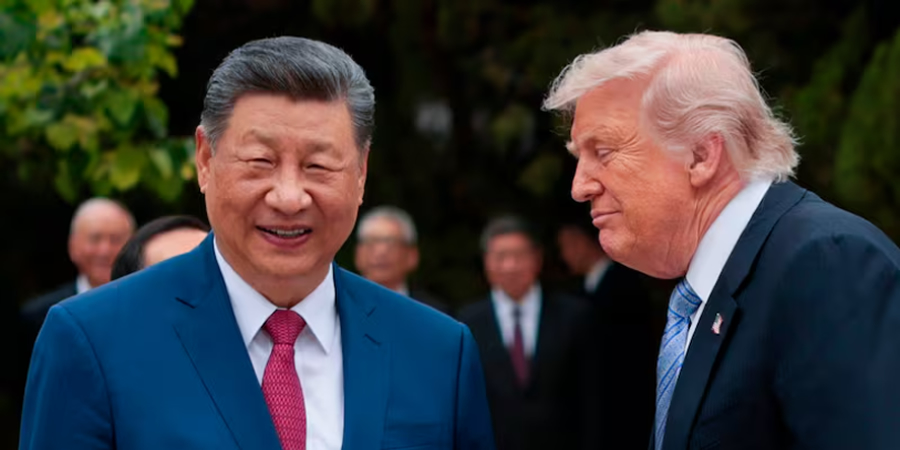
China has agreed to ramp up trade for US agricultural products such as beef and poultry, buying at an annualised rate of $17 billion per year for 2026 and at that level for 2027 and 2028, the White House announced on May 17, two days after President Donald Trump returned from a high-stakes summit in Beijing where he sought to ease the impact on American farmers from the trade war he launched last year.
China would restore market access for US beef and resume imports of poultry from US states determined by the US Department of Agriculture to be free of the bird flu, the White House said. The deals are on top of China's soybean purchase commitments last year.
The agreements offer some hope to American farmers harmed by the trade war as they saw a major export market for soybeans and other products dry up. Farmers also are feeling new pressure from Trump administration policies — the war that the United States and Israel launched against Iran has curtailed shipping through the Strait of Hormuz, a vital trade corridor that has restricted global fertilizer supplies and sent those prices soaring.
There was no immediate confirmation of the terms from Beijing.
China's Ministry of Commerce said the two sides would "resolve or make substantial progress toward resolving certain non-tariff barriers and market access issues" regarding agricultural goods.
The US would "actively work" to address China's concerns regarding detention of its dairy products, seafood, the export of potted bonsai, and the recognition of Shandong province as a bird-flu-free zone, while the Chinese side will "likewise actively work" to address US concerns regarding the registration of beef processing facilities and the export of poultry meat from certain states to China, a ministry spokesperson said.
The two sides also agreed to expand trade, including that of farm goods, through measures such as reciprocal tariff reductions on "a specific range of products," though the spokesperson did not specify the products.
China, recognising the link between food security and national security, has diversified its sources of imported soybeans, beef, and other farm goods, turning increasingly to Brazil, Argentina, and other countries over the US
Data from the US Department of Agriculture show China's imports of US agricultural goods peaked in 2022 with US$38 billion but fell to US$8 billion in 2025. These figures include nearly US$18 billion in soybean purchases in 2022 and US$3 billion in 2025.
It's not immediately clear how much more China would buy from American soybean farmers, who were hit especially hard in the trade war. China, traditionally the largest foreign buyer of American soybeans, stopped purchasing them altogether last year after Trump hiked tariffs on Chinese goods.
The latest agreement builds on a trade truce Trump reached with Chinese President Xi Jinping in October in which China agreed to resume buying US soybeans. The White House said then that China committed to buying 12 million metric tonnes in the current marketing year and 25 million metric tonnes for each of the next three years.
According to the White House, hundreds of US beef plants, including those run by Tyson and Cargill, also will be able to export again to China, though it's not immediately clear how much beef American businesses will be selling to China.
China let licenses for hundreds of US beef plants expire last year, and the import value for 2025 fell to less than US$500 million, according to USDA figures. China's purchases of US beef had peaked at US$2.14 billion in 2022, the government data shows.
The US export of poultry meats and products to China was US$286 million in 2025, down from more than US$1 billion in 2022.
Soybeans, which are used for livestock feed and biofuels in China, are among the top US agricultural exports. Soybean exports to China in the past had accounted for about half of US exports of agricultural goods to the Asian nation.
USDA data shows the US exported 10.9 million metric tonnes of soybeans to China as of May 7, putting China on track to fulfill its previous commitment by the end of the marketing year on Aug. 31. This is well below the 25 million to 30 million metric tonnes that China purchased in past years.
Before Trump's initial planned trip to Beijing in late March — which was postponed by the Iran war — the American Soybean Association urged him to prioritise soybeans in the trade talks with Xi.
Scott Metzger, president of the association, said the group would like to see "additional soybean purchases this marketing year, as well as continued progress toward fulfilling future purchase commitments."
"Greater certainty and consistency in the marketplace help provide farmers with the confidence they need as they make decisions for the year ahead," he said.
- AP


