


May 14, 2026
Thailand's chicken exports, prices hit by Chinese ban and Mid East war
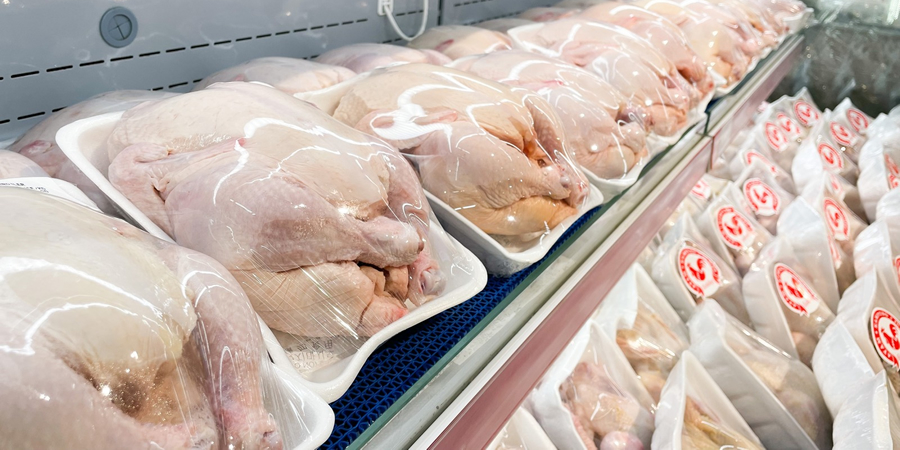
Kukrit Areepakorn, manager of the Thai Broiler Processing Exporters Association, revealed that Thailand's export situation and prices of chicken are currently declining due to two main reasons: China suspending exports from 17 processing plants, and the Middle East war.
For China, Thailand previously exported from 22 processing plants, but it can export from only five. This is because China has increased the strictness of its production standards and hygiene inspections for export plants.
The Department of Livestock Development is currently negotiating the matter.
The reason China increased its strictness is a result of its expanded domestic production capacity, in line with the government policy to reduce imports.
Although domestic demand is expanding, current chicken prices in China, particularly chicken feet, are expensive. Therefore, if domestic production capacity is insufficient and prices rise abnormally, it is expected that Thailand will be allowed to export again. This is because Thai producers themselves have not reduced their production capacity and can export immediately upon receiving orders.
Regarding the impact of the Middle East war, it has prevented Thailand from exporting to this market.
Oil prices are higher, and transport cannot pass through the Strait of Hormuz, meaning Thai chicken exports to the United Kingdom and European Union markets must detour around the Cape of Good Hope, which has a longer distance and more expensive freight rates.
Reduced crude oil production in Middle Eastern countries has also caused a plastic shortage, leading to packaging problems.
Furthermore, drought and transport issues have caused the prices of animal feed ingredients to increase, including both corn and soybean meal.
All these factors resulted in Thailand's chicken exports during January and February dropping by 2%.
The overall export picture for the entire year will also decline accordingly when compared to 2025, when Thailand exported 1.3 million tonnes worth ฿156 billion (US$4.25 billion).
Exports to the Chinese market, which were 100,000 tonnes, will decrease to only 40,000 to 50,000 tonnes this year.
For the Middle East market, from previously exporting 20,000 tonnes, it is expected that no exports will be possible this year.
The EU market is at 170,000 to 180,000 tonnes, while the UK is at 200,000 tonnes and requires prices to be raised according to freight costs.
Malaysia is at 110,000 tonnes.
Japan, where Thailand exports the most at 500,000 tonnes or about 40% of export volume, currently has an issue with a shortage of plastic packaging.
However, the current factory-gate price of live broilers has decreased from ฿43 (US$1.17) to ฿44 (US$1.20) to to ฿39 (US$1.06) to ฿40 (US$1.09) to when compared to the same period last year. This is due to domestic consumption remaining poor, coupled with the recent end of the Songkran festival, during which consumers had high expenses and had to set aside some income to pay for school fees.
Meanwhile, the increased transport rates have resulted in retail broiler prices being expensive.
— The Nation


