


May 14, 2024
Shanghai Ocean University promotes rice-fish farming in Cambodia
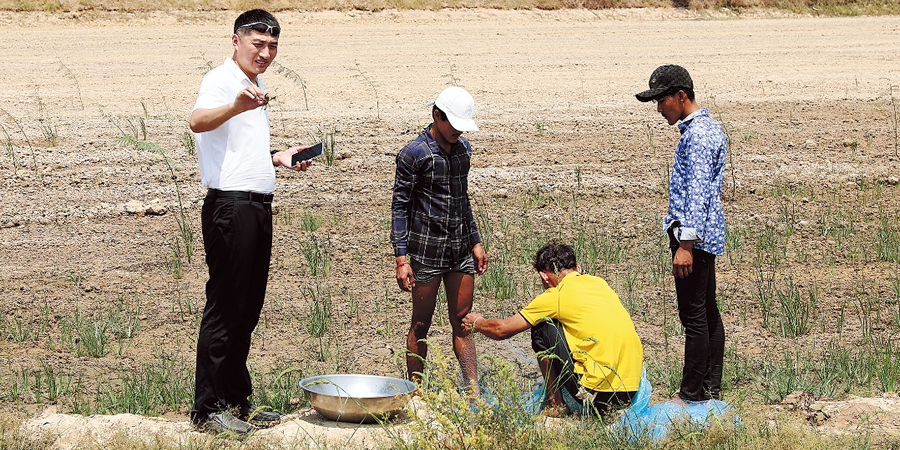
A research team from Shanghai Ocean University recently concluded an investigative and training visit to Cambodia, aiming to advance rice-fish and rice-shrimp farming and contribute to the construction of the Fish and Rice Corridor between the two countries, China Daily reported.
According to a China-Cambodia joint communique, the nations will expedite the building of the corridor to increase bilateral agri-trade volume. Cooperation will focus on developing aquaculture, agro-processing, ecological agriculture, modern machinery, new agricultural technology, and human resources.
Wu Xugan, leader of the research team and professor at Shanghai Ocean University, said Cambodia has 3.3 million hectares of rice cultivation, but only 1,350 hectares are used for freshwater pond aquaculture.
He said this has led to insufficient supply and high market prices of aquatic products such as giant freshwater prawn and tilapia, and there is huge potential for cooperation in building the Fish and Rice Corridor.
During their visit, the team conducted in-depth investigations and held promotional events and technical training courses to help farmers improve their rice-fish farming skills.
From 2021 to 2023, the team carried out a project in Cambodia focusing on technical cooperation on rice-fish farming and poverty reduction through aquaculture in the Lancang-Mekong River region. This recent visit was related to that project, which has been renewed and expanded to include efforts to cultivate local talent.
Collaborating with Thay Somony, director of the Department of Aquaculture Development at Cambodia's Ministry of Agriculture, Forestry and Fisheries, the team visited three rice-shrimp farming demonstration bases in Takeo province and provided training to over 30 farmers.
Wu said they provided technical guidance starting with basic principles, then introduced general techniques. He noted that rice-fish farming in Cambodia can differ significantly from China due to varying climate, landscape, and production conditions, as well as a lack of infrastructure such as reservoirs.
Wu explained that many places in Cambodia can cultivate either rice or fish only during dry and rainy seasons due to the lack of water regulation and the risks of droughts and floods.
He said aquaculture is small-scale and not yet commercialised, with most farms operated by a few families. Underdeveloped skills and a lack of a complete industrial chain leads to low productivity and high fish feed costs.
Despite these challenges, the team remains committed to helping Cambodian farmers develop rice-fish farming. Wu said they will start with optimisation efforts to help protect fishery resources, then expand to large-scale rice-fish farming and pond aquaculture practices.
- China Daily


