


May 14, 2024
Great Britain's feed production dropped 0.7% in March
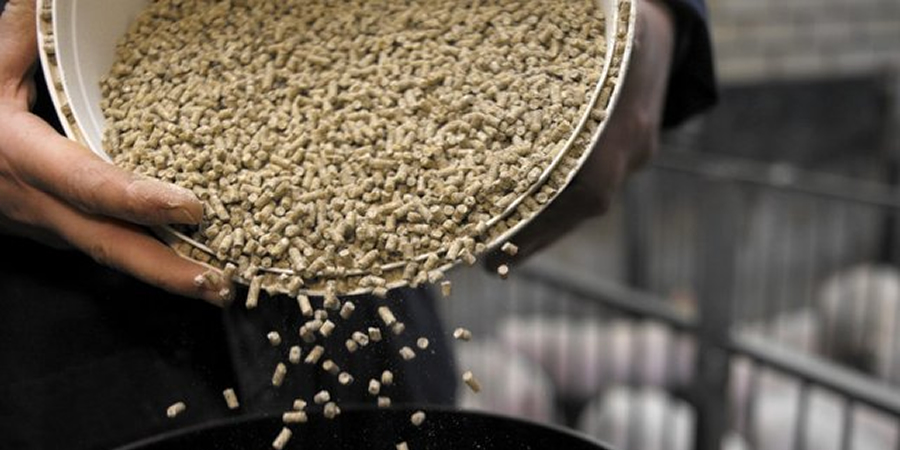
The United Kingdom's Agriculture and Horticulture Development Board (AHDB) on May 9 released the latest usage figures for both Great Britain's animal feed production and human and industrial consumption up to the end of March.
Despite seeing year-on-year climbs in total feed production (including integrated poultry units ,or IPUs) for each month since November, total production in March fell 0.7% on the year. Each feed segment including cattle, pig and sheep saw a yearly decline in March, with poultry being the only sector to see a rise.
For this season-to-date (July-March), total GB animal feed production (including IPUs) has totalled 10.20 million tonnes, up 1.5% on the year, but at the second lowest level since 2015/16. Also, cattle and poultry feed have seen yearly increases in production levels. However, pigs, sheep and others have seen declines.
Despite a slight increase in GB animal feed production this season, the usage of wheat, barley, corn and oats by GB compounders is down 1.2% on the year. However, these figures exclude usage by IPUs, which have seen feed production increase by 15.8% season to date.
Given their lack of availability, oats have seen the greatest decline in usage by compounders (in percentage terms) on the year, down 35.2% July to March.
During the same period, wheat and corn usage have been down 1.0% and 9.5% respectively. However, following significant declines at the start of the season, corn usage looks to be picking up pace, suggesting the imported grain is pricing more competitively as of late.
On the other hand, due to its relative price over other cereals, barley usage is up 3.3% on the year (July-March).
Wheat usage by IPUs has seen a slightly different trend to compounders usage, increasing by 17% on the year (July-March). As with compounders, barley usage is also up in IPU production.
- AHDB


