


May 12, 2026
Vietnam seafood exports seen rising by US$1 billion in 2026 on recovering demand
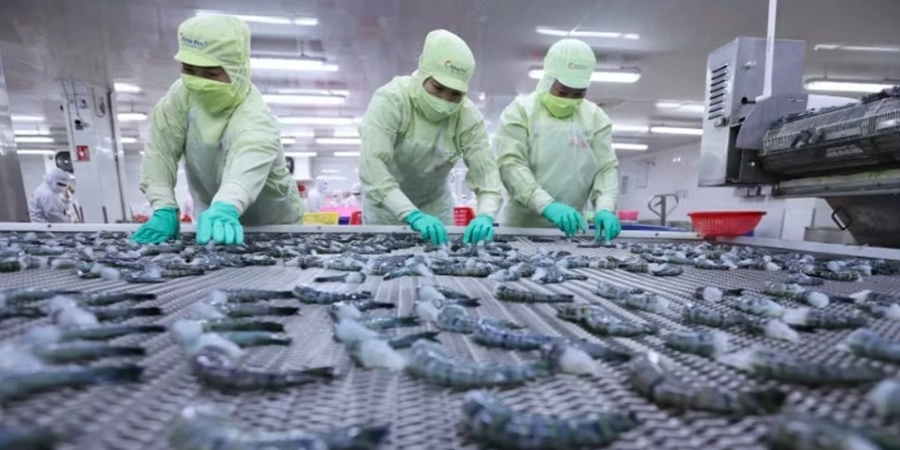
Strong first-quarter momentum has lifted cumulative export value to US$3.6 billion, though exporters face growing pressure from overseas regulations and domestic compliance costs.
Vietnam's seafood exports could reach approximately US$12.3 billion in 2026, about US$1 billion higher than the US$11.3 billion recorded in 2025, if current growth momentum is maintained and existing bottlenecks are addressed. Nguyen Hoai Nam, Secretary General of the Vietnam Association of Seafood Exporters and Producers (VASEP), said export turnover reached nearly US$4 billion in the first four months of the year, up more than 14% year-on-year, with April alone estimated at US$947.8 million.
Most product categories posted positive growth, though performance varied across segments. Shrimp and pangasius remained the key export products, while tuna exports declined by around 6%, reflecting pressure from international markets and stricter import regulations.
China continued to be a major growth driver, with exports to mainland China and Hong Kong surpassing US$1 billion in the first four months of the year. Japan maintained stable growth, while exports to the US fell by six to seven per cent due to trade policies and ongoing trade remedy cases. Nam said the US decline is likely temporary and primarily linked to technical barriers rather than weakening consumer demand.
On the regulatory front, the EU's yellow card warning on Vietnam's seafood exploitation activities remains a significant burden, while new supply chain due diligence requirements oblige businesses to assess their entire production chain against sustainability criteria. In the US, anti-dumping and anti-subsidy cases have become increasingly complex, though close coordination between authorities and businesses has helped reduce applicable tariff rates in several cases.
Domestically, companies are under pressure from rising compliance costs, as they are required to invest simultaneously in their own environmental treatment systems while also contributing to centralised industrial-zone systems. VASEP called for these overlapping requirements to be reviewed and adjusted, and flagged inconsistencies across regulatory sectors as an ongoing operational difficulty.
Nam identified two priority areas for sustaining long-term growth: improving the policy environment to ensure regulatory consistency and reduce compliance costs, and strengthening dialogue between regulators and businesses through regular consultation mechanisms. He also highlighted the need to accelerate traceability systems, deep processing and seed development, alongside building stronger links across production, processing and distribution chains.
- Vietnam News


