


May 12, 2026
Indonesia feed prices rise for second consecutive month, squeezing independent poultry farmers
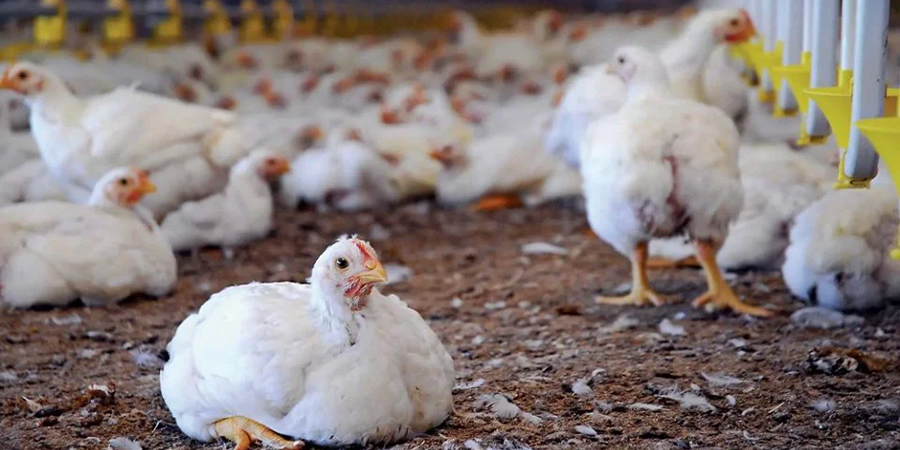
Feed costs at Indonesian poultry farms have increased by IDR 200 per kilogram in both April and May 2026, with further hikes expected as major producers announce additional adjustments.
Kusnan, Chairman of the Association of Independent Livestock Farmers of Indonesia (Perhimpunan Peternak Rakyat Mandiri Indonesia), confirmed that feed mills have notified farmers of another price increase effective this week. He said Comfeed has separately indicated a further rise of IDR 250 per kilogram in May, while other producers have also signalled imminent increases without specifying the amount.
The consecutive increases are being driven by Indonesia's heavy reliance on imported raw materials, with soybean meal and corn accounting for around 70% of feed composition sourced from overseas. A weakening rupiah against the US dollar and rising logistics costs have compounded the pressure on feed distribution costs. The rupiah has been trading at around IDR 17,414 against the dollar.
Corn prices at the farm level have reached IDR 7,000 per kilogram, while soybean meal is currently priced at IDR 8,700 per kilogram. Rising packaging costs have added further pressure on production costs.
Kusnan noted that large feed producers hold significant pricing power, leaving independent farmers with little negotiating leverage. "Feed mills have pricing power. Farmers cannot refuse because chickens must eat every day," he said.
The cost squeeze is being felt acutely in Banten, where independent broiler farmer Asep Saepudin said cumulative feed cost increases since April have reached IDR 400 per kilogram, while live broiler prices at the farm gate remain at IDR 20,000 to IDR 21,000 per kilogram — below the cost of production and well under the government's reference selling price of IDR 24,000 per kilogram.
Asep warned that market conditions are likely to worsen in June and July, when consumer purchasing power historically weakens during the Idul Adha and Muharram period, putting further downward pressure on live chicken prices.
Kusnan called for independent farmers to be better integrated into a closed-loop supply chain model to strengthen their position, while farmers broadly urged the government to help stabilise selling prices and review the causes behind the sustained rise in feed costs.


