


May 12, 2026
Vietnam's poultry oversupply crisis points to need for sustainable supply chain integration
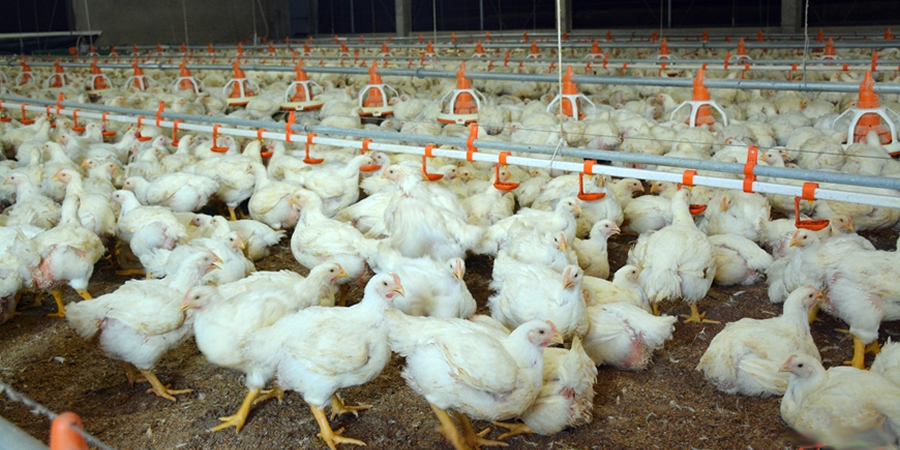
Dong Nai province's experience highlights a recurring industry pattern where price-driven herd expansion leads to oversupply, with integrated supply chain models offering the most reliable buffer against market volatility.
Poultry meat and egg prices in Vietnam's Dong Nai province have fallen sharply since the Lunar New Year of 2026, with broiler chicken prices at farm level dropping to VND26,000–28,000 per kilogramme from around VND36,000–38,000 in January, coloured-feather chickens falling to VND42,000–45,000 from VND48,000–49,000, and egg prices declining to VND1,400–1,600 per egg from VND1,900–2,100. At current prices, most poultry farmers are operating at or below break-even.
Dong Nai's total poultry population reached 36.2 million birds in the first quarter of 2026, up 3.3% year-on-year, with the chicken population rising 3.9% to 33.4 million birds. The expansion followed a period of high prices that encouraged farmers to scale up investment, creating the supply overhang now weighing on the market.
Ngo Minh Tuyen, Director of VINAEGG Production and Trading Co., Ltd., said domestic demand has grown more slowly than expected since the Lunar New Year, while exports of processed livestock products have also faced difficulties due to the broader global market environment. He added that feed costs have risen 10–15% and could increase further if global political instability continues, while rising transportation costs are adding further pressure on both production and distribution.
Le Van Quyet, Director of Long Thanh Phat High-Tech Agricultural Cooperative, one of Vietnam's largest white chicken producers, said the current crisis follows a familiar pattern of trend-driven investment leading to oversupply once demand slows. He argued that the only lasting solution is building integrated supply chains from production through processing to consumption, rather than expanding capacity in response to prevailing prices. He noted that cooperative members participating in Long Thanh Phat's supply chain remained profitable even during the current downturn.
Farm-based poultry farming accounts for approximately 89% of Dong Nai's total flock, with the majority of large-scale farms already participating in linked supply chains. Household farming, which accounts for the remaining 11% across nearly 25,600 households, is also gradually shifting toward safer production methods and supply chain linkages.


