


May 11, 2026
Singapore vegetable and seafood farm productivity rises in 2025 as food resilience push gains ground
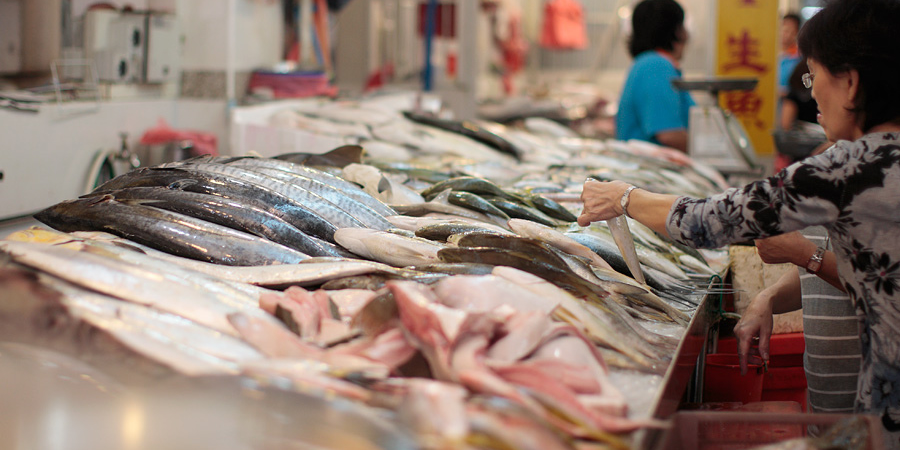
Local farms deliver stronger output as Singapore expands its food source diversification and sets longer-term targets for domestic production under its refreshed food resilience strategy.
Singapore's vegetable farm productivity rose 10% in 2025, while seafood farm productivity jumped 27%, according to the Singapore Food Agency's latest food statistics report released on 8 May 2026.
Despite the productivity gains, supply of some food items declined during the year. Chicken supply fell close to 4% to 215,800 tonnes from 224,000 tonnes in 2024, while pork supply dropped 2.4% to 130,400 tonnes. Vegetable supply edged down 0.2% to 582,200 tonnes. On the positive side, hen shell egg supply rose 1.2% and seafood supply grew 6.5%.
The SFA said supply fluctuations reflect market conditions including shifting consumer dietary preferences. Singapore's local agri-food sector currently contributes approximately 8% of local fibre consumption and 25% of local protein consumption. Under the Singapore Food Story 2 strategy, announced in November 2025, the government has set targets for local farms to supply 20% of local fibre consumption and 30% of local protein consumption by 2035.
To strengthen supply resilience, SFA approved new import sources for shell eggs, processed eggs, poultry, pork and beef during the year. New sources include Lithuania for shell eggs and Greece and Paraguay for poultry, pork and beef. Singapore now sources food from over 180 countries and regions, up from approximately 140 two decades ago.
Minister for Sustainability and the Environment Grace Fu said diversification remains central to Singapore's food security approach. "Diversification is key as it gives us options and flexibility when disruptions hit," she said, adding that food resilience was also about relationships, citing a Memorandum of Cooperation on food security signed with Cambodia in April to strengthen bilateral rice trade.
Fu also noted that Singapore and its ASEAN neighbours had adopted a statement on safeguarding food security and agricultural supply chains in response to global uncertainties, including disruptions linked to the Middle East situation.
- CNA


