


May 11, 2026
Australian dairy producers face 2026/27 season with limited margin for error as input costs mount
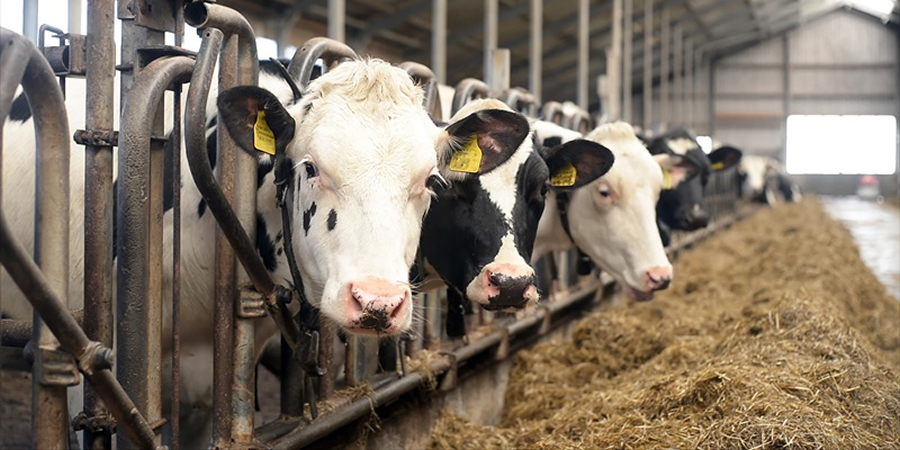
Rising fuel, fertiliser, water and labour costs are squeezing farm margins to near break-even, leaving little room for producers to absorb further shocks in the season ahead.
Australia's dairy producers are entering the 2026/27 season under significant cost pressure, with input costs eroding margins to levels that leave current milk prices near break-even, according to Rabobank's annual Australian Dairy Outlook.
RaboResearch senior dairy analyst Michael Harvey said while seasonal conditions had improved across many dairying regions and dairy commodity prices had staged a partial recovery, these positives were insufficient to fully offset the compounding cost pressures now embedded across the farm and downstream value chain. "Navigating the 2026/27 season will require disciplined cost management and careful capital allocation," he said.
Input cost pressures have been intensified by the Middle East conflict, which has driven up fuel and fertiliser prices — particularly urea, the most widely applied nutrient in dairy systems. Higher borrowing rates and a tight labour market are adding further pressure, while dairy farm businesses in the Southern Murray-Darling Basin have faced water allocation prices that have more than doubled over the past 12 months.
Cost pressures are not confined to the farmgate. Processors are facing higher packaging costs driven by rising global resin prices, alongside increased energy, processing and distribution costs. Harvey said these factors are constraining processors' ability to absorb additional cost shocks, increasing the likelihood of further price increases for consumers. Retailers have already lifted prices on private-label milk, with further adjustments from branded players expected.
On farmgate milk pricing, RaboResearch expects guaranteed minimum prices at near prevailing levels to be achievable for the 2026/27 season, supported by a recovery in dairy commodity values. Commodity milk values have risen 5–30% across the commodity basket since the start of the year, led by protein and most notably skim milk. However, price momentum has moderated more recently, and commodity prices in US dollar terms remain below June 2025 levels, with Australian dollar appreciation further eroding export returns.
National milk production for the current season is broadly flat at approximately 8.3 billion litres as of March, with growth in the northern states offset by year-on-year declines in Victoria and South Australia. RaboResearch forecasts national milk production to decline 1.2% in 2026/27, marking a third consecutive annual contraction, as elevated fertiliser prices prompt farmers to reduce application rates and increase reliance on purchased feed. The possibility of below-average rainfall and a shift to El Niño conditions later in winter adds further uncertainty to the production outlook.
Longer term, the sector continues its structural shift toward scale and efficiency. Farms producing more than 10 million litres annually overtook smaller operations as the largest contributors to the national milk pool in 2024/25, with farms producing more than five million litres accounting for 40% of total production.
- Rabobank


