


May 9, 2024
World Bank suggests rich countries cut down financial aid for livestock farming to alleviate pollution
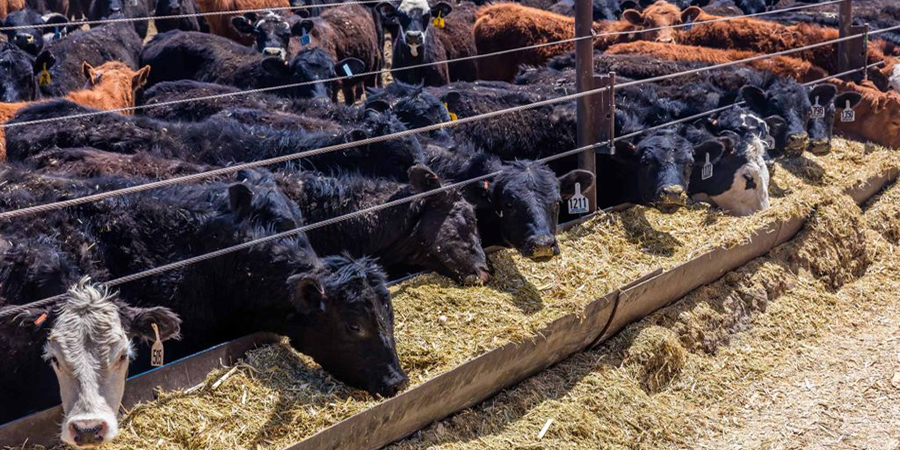
Wealthy nations should reduce financial support for livestock farming to help tackle pollution caused by consuming red meat and dairy, according to the World Bank.
Ensuring that environmental and health costs are fully priced into emissions-intensive foods made from animals would curb consumer demand for those products. That would mean shifting subsidies from the livestock sector toward lower-emissions foods like poultry, fruit and vegetables, the World Bank said in a major report on how to reduce food's climate footprint.
"We're not saying reduce public support for agriculture," Bill Sutton, a lead author of the report, said in an interview. "We're saying use it in more effective ways that actually contribute to healthier diets and a healthier planet."
Unless food's climate impact is addressed, the planet won't meet its environmental goals, the World Bank warned.
Annual investments will need to climb 18-fold to $260 billion to halve agri-food emissions by 2030 and help the world hit a 2050 net-zero target, according to the report. But the rewards will be much bigger than the cost, the World Bank said.
Governments, businesses and citizens can expand low-emission food options through various measures including education and communication campaigns, 'nudging' techniques or food labeling, the organisation added.
Full-cost pricing of animal-source foods would make low-emission options more competitive, while meat products would be 20% to 60% more expensive.
One-third of all agricultural subsidies went toward meat and milk products in 2016. A recent research by Leiden University and Chatham House showed more than 80% of farm subsidies in the European Union are channeled into emission-intensive animal products.
The World Bank report involved dozens of contributors from various organisations and is the first comprehensive framework for addressing food's climate footprint. The broad recommendations, divided by countries' income categories, focus on areas from forest and soil protection to increasing the use of renewable energy in food production.
"The food system must be fixed because it is making the planet ill and is a big slice of the climate change pie," the World Bank authors said. "There is action that can be taken now to make agri-food a bigger contributor to overcoming climate change and healing the planet. These actions are readily available and affordable."
- Bloomberg


