


May 9, 2023
Council releases alternative plan for Tasmania, Australia aquaculture industry
The Tasmanian Independent Science Council (TISC) has produced a 'plan B' for the aquaculture industry in Tasmania, Australia.
The plan is an alternative to the Tasmanian government's Salmon Plan released on May 1.
The TISC Plan B effectively addresses many of the issues and concerns raised by scientists, relevant organisations and the public over many years.
NWTAS for Clean Oceans (NWTAS4CO) welcomed the TISC' s detailed appraisal of the current salmon industry and its overarching strategies to modernise and clean up the industry, addressing important financial inequities.
TISC's recommendations are a strong endorsement of the Tasmanian Alliance for Marine Protection (TAMP)'s call for an independent professional cost benefit analysis of the industry and a business case to justify any expansion of the industry. The TAMP petition which has 3600 signatures, was to be tabled in parliament on May 9.
NWTAS4CO has always held the strong view that finfish farming must be removed from Tasmania's marine environment altogether with priority given to vacating shallow, sensitive waters.
"We do not see putting open net pens in deeper oceans as a long-term solution. This will only contribute to the inevitable destruction of world oceans," said Cass Wright, spokesperson of NWTAS4CO. "The finfish industry, if they wish to stay in Tasmania, must transition to land-based farming where effluent can be effectively recycled and finfish can live in a less stressful environment.
"NWTAS4CO wholeheartedly endorses the TISC's call for a three-year pause in industry expansion until the necessary evaluation and restructuring of the industry is complete.
"The TISC is well equipped to access the latest information and science about overseas practices and trends in the aquaculture industry. They are expert witnesses to the environmental impact of the current industry on Tasmania and the concerns of Tasmanians about their future."
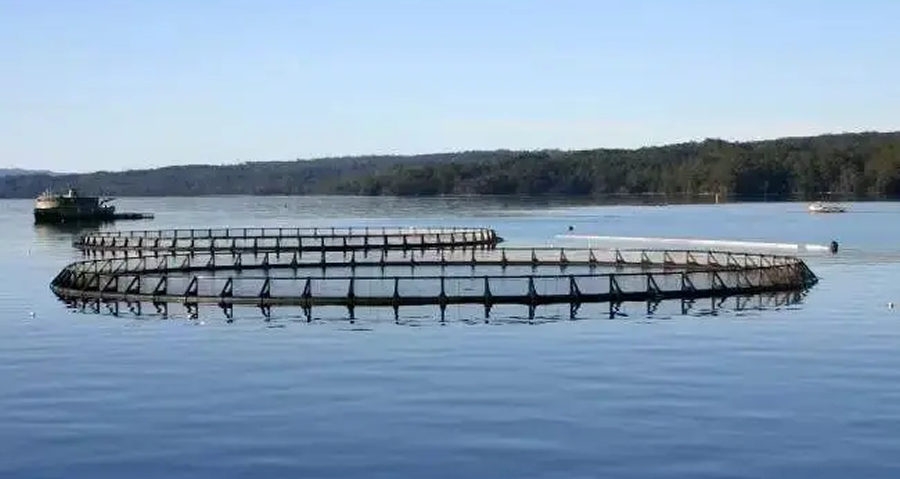
Salmon production in Tasmania has more than doubled in the past decade and is now valued at well over $1 billion per year. The increased scale of production has entailed new technologies. Tasmania now boasts some of the largest salmon cages in the world, giant well boats to bathe and transfer fish, centralised automated feeding systems and robotic net cleaners.
However, those efficiencies have not resulted in a proportional increase in jobs, particularly in regional areas.
The industry's rapid growth has also been accompanied by increasing environmental and social impacts, including water pollution, algal blooms, marine debris, noise and light.
Additionally, Tasmania has already experienced significant salmon mortalities associated with disease, low oxygen and jellyfish, all of which will be worsened by climate change. This is not unique to Tasmania and huge investments are being made globally in land-based and offshore technologies to transition to a more sustainable model.
In April 2022, the Tasmanian government commenced a process to develop a 10-year salmon plan. Key stakeholders, including TISC, were invited to participate in a 'consultative and collaborative' process to provide input to this plan. TISC participated in all aspects of this consultation process, but its input — along with that of many other organisation and individuals — has been largely ignored, it claimed.
So far, TISC strongly recommends a pause on further growth until existing operations have been fully reviewed and adjusted to ensure sustainable production that does not damage the environment and is supported by the community.
- Tasmania Times


