


May 5, 2026
Nigeria approves 10-year roadmap to overhaul animal health system
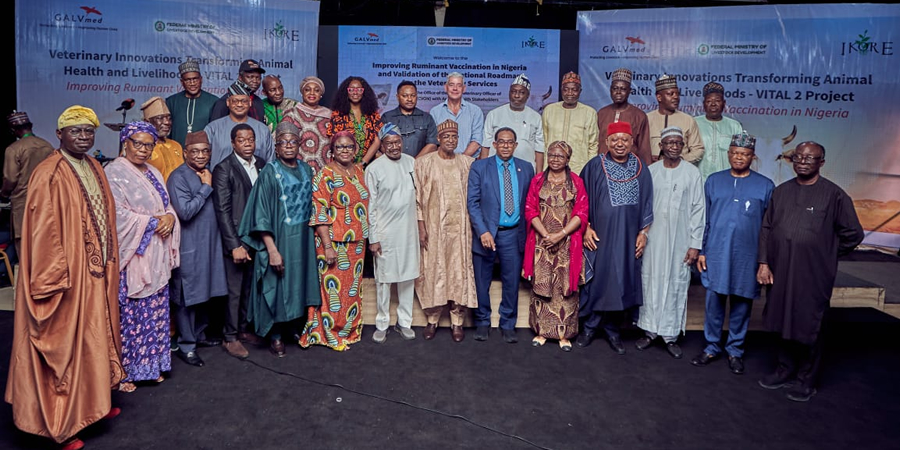
The Federal Government of Nigeria has validated a 10-year National Roadmap for Veterinary Services aimed at overhauling the country’s animal health system, improving food security, and strengthening disease surveillance across the livestock value chain.
The roadmap, covering 2026 to 2036, was adopted at the end of a three-day stakeholders’ workshop organised in Abuja by the Federal Ministry of Livestock Development with support from development partners including GALVmed and IKORE.
Speaking at the opening session, Idi Mukhtar Maiha, minister of Livestock Development, said the plan was designed to build a modern and globally compliant veterinary system capable of supporting livestock productivity, protecting public health, and facilitating safe trade.
He said the roadmap became necessary as countries confront emerging health threats and increasing pressure on food systems.
Chinyere Ijeoma Akujobi, permanent secretary of the ministry, identified weak surveillance systems, poor manpower distribution, and underperforming veterinary laboratories as some of the major constraints affecting veterinary service delivery, particularly at the state level.
Idris Ajumobi, senior special assistant to the President on Livestock Development, said the Federal Government would support implementation of the roadmap through institutional reforms and strategic investments.
In his remarks, Samuel Anzaku the chief veterinary officer of Nigeria, said the document was developed through broad consultations and contains measurable targets for transforming the sector.
Otto Vianney Muhinda, representing the Food and Agriculture Organization, said the agency would continue to support Nigeria in mobilising technical expertise and resources for livestock sector reforms.
Moses Arokoyo,president of the Nigerian Veterinary Medical Association, described the roadmap as a major step for the veterinary profession, stressing the need for improved infrastructure, funding and faster response mechanisms.
Participants at the workshop reviewed strategies on public private partnerships, disease surveillance, animal identification, and traceability, red meat value chain development and management of emerging disease threats including avian influenza.
At the end of the workshop, stakeholders adopted resolutions focused on strengthening institutional capacity, improving funding for veterinary services, expanding disease surveillance systems and developing a coordinated national vaccination strategy.
The roadmap also prioritises digital transformation, workforce development and the adoption of the One Health approach linking animal, human and environmental health management.
- Business Day


