


May 4, 2026
APHIS found pseudorabies in swine in Iowa and Texas, US
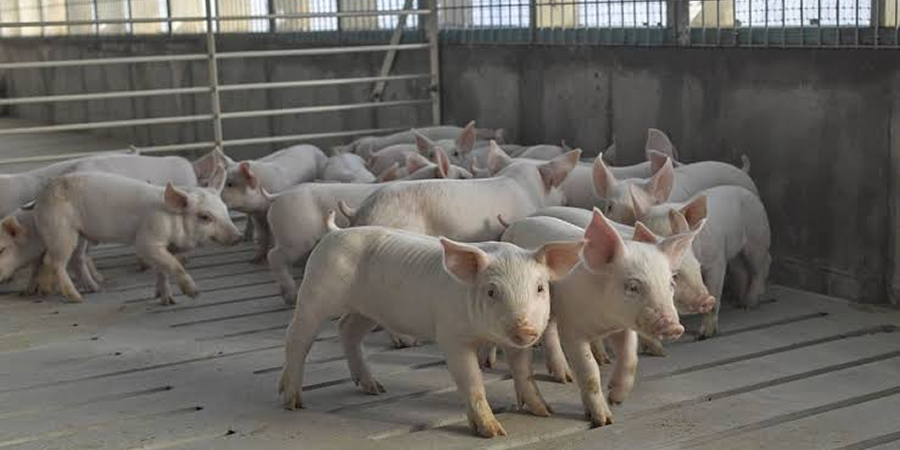
The United States' Animal and Plant Health Inspection Service (APHIS) confirmed on April 30 the detection of pseudorabies (PRV) in a small commercial swine facility in Iowa and a swine herd in Texas.
The agency stated this is the first known case of PRV in commercial swine since 2004, when it was eradicated. The discovery was made with routine testing not pre-movement surveillance.
"Initial traceback indicates that the five affected boars came from an outdoor facility in Texas," APHIS stated. "Animals from that herd also tested positive for pseudorabies. APHIS is working with officials in Iowa and Texas to expand traceback efforts and identify any additional potential exposures."
Pseudorabies is a contagious disease in adult pigs which can cause abortion, still births, respiratory problems and occasionally death. For newborn pigs, the disease affects the respiratory and central nervous systems, causing incoordination, sneezing, coughing and death.
Further details from the Iowa Department of Agriculture stated the facility in Iowa received swine from a Texas herd in recent months.
The diagnosis was confirmed following confirmation from the National Veterinary Services Laboratories via Enzyme-Linked Immunosorbent Assay and latex agglutination testing.
Iowa Secretary of Agriculture Mike Naig expressed appreciation to APHIS, the Iowa State University College of Veterinary Medicine and Diagnostic Laboratory, pork producers and industry partners for working together on the coordinated response to PRV.
"Iowa's hardworking farmers lead the nation in pork production," Naig said. "It's important for people to know that pseudorabies is not a food safety concern, and this virus does not pose a risk to consumers. The United States' pork supply remains safe and secure, and we are committed to protecting animal health."
According to APHIS, PRV is still prevalent in feral swine populations in the US and there is occasional spillover of infection to outdoor production herds where contact with feral swine is possible.
Pigs are the only natural hosts for PRV with most mammals, humans, horses, and birds considered resistant.
Following the news the National Pork Producers Council (NPPC) provided its update on the matter and what stakeholders should expect going forward with PRV.
"The nation's pork supply remains secure, and people can continue to enjoy the pork products they love with confidence," NPPC said in a statement. "This detection does not pose a risk to consumer health or affect the safety of the commercial pork supply. Established protocols were implemented immediately in response to the incident and remain in place to safeguard the commercial swine industry.
"These steps were successfully deployed through swift action and close coordination with the United States Department of Agriculture (USDA) and the Iowa Department of Agriculture and Land Stewardship (IDALS). The National Pork Producers Council and Iowa Pork Producers Association support these efforts and remain committed to a coordinated response to prioritise biosecurity and prevent further occurrences."
- Meat + Poultry


