


May 3, 2024
US expert raises concerns over undetected spread of H5N1 virus among US dairy cattle
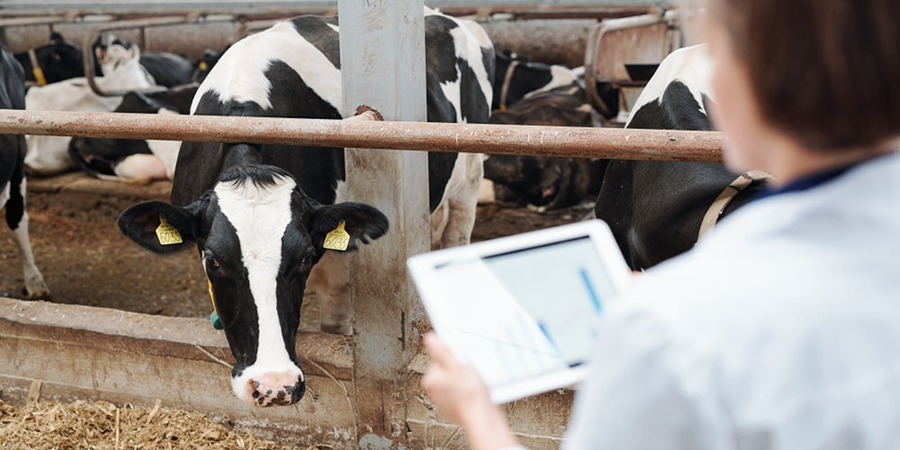
Michael Osterholm, director of the US Centre for Infectious Disease Research and Policy (CIDRAP), warned that most H5N1 infections among US dairy cattle and other animal populations may be going undetected, despite increased surveillance efforts by the US Department of Agriculture (USDA), Health Policy Watch reported.
The concerns arise as infectious experts note the alarming spread of the deadly virus to mammalian populations, particularly dairy cattle in the US.
According to the latest update from the US Centres for Disease Control and Prevention (CDC) on April 30, 2024, approximately 36 herds have been infected. Experts attribute the spread to sanitation gaps and lax surveillance in industrial dairy operations.
Osterholm said that farmer reluctance to test cattle and employees for avian flu likely contributes to the underreporting of infections.
He stressed the need for extensive follow-up, serology studies, and close monitoring of animals such as swine, which can harbour both animal and human forms of avian influenza, increasing the risk of transmission to humans.
Despite the concerning spread, Osterholm noted that pasteurised milk is unlikely to transmit the infection if properly processed. However, concerns remain about the potential presence of the virus in raw milk, which some consumers prefer as a more 'natural' alternative.
Experts underscored the need for improved animal management practices and rigorous inspection standards to mitigate the risk of outbreaks and ensure food safety and animal welfare. The outbreak highlights the importance of One Health approaches, recognising the interconnectedness of ecosystems, animal health, and human health in preventing zoonotic spillovers into human populations.
While human-to-human transmission of H5N1 has not been documented, the mortality rate among infected individuals is exceptionally high, exceeding 50%. Experts remain vigilant about the virus's expanding host range and the potential for further mutation, emphasising the need for robust surveillance and intervention measures.
- Health Policy Watch


