


May 3, 2024
FAO's 10-year global initiative aims to cut antimicrobial use in agrifood production
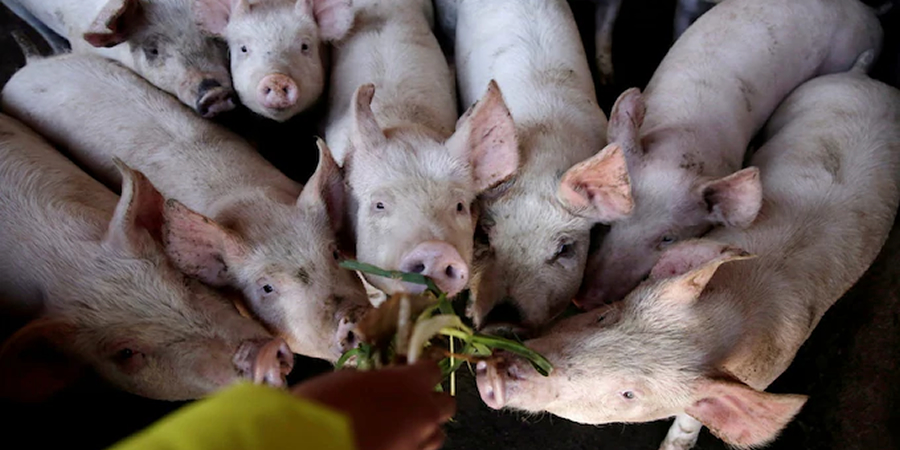
The Food and Agriculture Organization of the United Nations (FAO) announced on April 25 the launch of a new action-oriented, country-focused initiative to reduce the need for antimicrobials on farms, amid the growing threat posed by antimicrobial resistance (AMR) in the food and agriculture sector.
"The persistent use of antimicrobials in livestock production is concerning for human health, animal welfare and environmental sustainability," said FAO Director-General Qu Dongyu in a video message announcing the launch of the initiative, "Reduce the Need for Antimicrobials on Farms for Sustainable Agrifood Systems Transformation" (RENOFARM).
"We must explore innovative pathways to curb the use of antimicrobials and promote sustainable practices that safeguard public health and our planet's well-being, while improving livestock productivity," he told attendees at the "International Symposium on Pathways to Reduce the Need for Antimicrobials to Support Sustainable Livestock Transformation" in Chongqing, China.
The event gathered more than 200 experts from China and across the globe.
RENOFARM aims to provide countries with policy support, technical assistance, capacity building and knowledge sharing to help reduce the need for antimicrobials in livestock production, prioritising animal health and welfare, mitigating environmental impact and enhancing food security and nutrition.
Working together with governments, farmers, private sector and civil society organisations and other actors, the initiative will promote the "5 Gs" at the farm level: Good Health Services, Good Production Practices, Good Alternatives, Good Connections and Good Incentives, Qu said.
FAO's goal is to implement RENOFARM in more than 100 countries in alignment with its partners under the Quadripartite One Health approach - the World Health Organization (WHO), the UN Environment Programme (UNEP) and the World Organisation for Animal Health (WOAH).
RENOFARM is already being piloted in the poultry sector in Indonesia's Lampung province with the support of government agencies and other local stakeholders.
Other pilots are underway in Uganda and Nigeria.
In Indonesia, a Farmers Field School (FFS), focusing on empowering farmers at the community level, is being set up under the project to build farmers' capacity and awareness on AMR control, with training materials updated based on local experience and best practices, 20 facilitators trained and the concepts trialed with around 20 local poultry farmers.
A focus group discussion held as part of the initiative showed that broiler chicken farms in Lampung have experienced improvements in livestock management practices, with the transition to a semi-closed cage system. This has had a positive impact on biosecurity practices and efforts to reduce antimicrobial use.
However, antibiotic programmes for chicks are still being carried out due to concerns about the quality of chicks and farmer discipline regarding biosecurity.
The event in Chongqing aimed to agree on actionable steps and concrete commitments on RENOFARM in the run up to the 2024 United Nations General Assembly High-Level Meeting on AMR taking place this September in New York, the United States, and the 4th High-Level Ministerial Conference on AMR to be held in November 2024 in Saudi Arabia.
At the end of September, FAO will also host the first-ever Global Conference on Animal Health Innovation, Reference Centres and Vaccines. It's aim is to share insights, exchange experiences and identify concrete actions to improve animal health, combat antimicrobial resistance and promote sustainable livestock transformation.
- FAO


