


May 2, 2024
High feed costs weigh on India's poultry production as 8% growth in CAGR expected in next decade
An eFeedLink Excusive
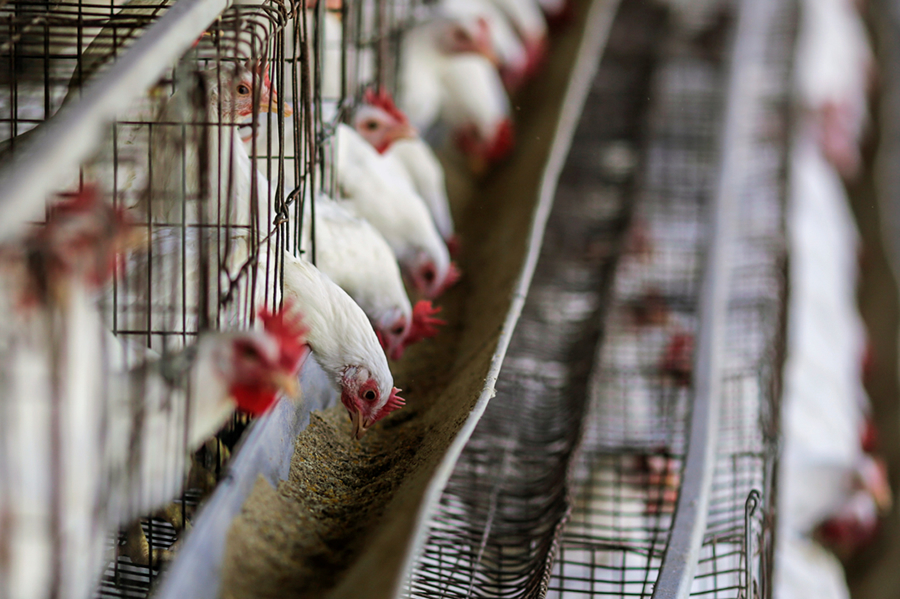
The global poultry sector is on the road to recovery due to strong export demand and the growth of the broiler meat industry.
According to Rabobank's global poultry report for the first quarter of 2024, the outlook for the market is moderately positive, with a forecast of 1.5-2% growth as compared to 1.1% in the same period in 2023. Poultry will be the fastest-growing protein in the world's animal protein market as pork and beef production will be on a decline.
India's poultry market, currently valued at $30 billion, will grow at a compound annual growth rate (CAGR) of 7.5-8% in the next 10 years. The country's poultry exports have reached $120 million during the period from April 2023 to December 2023. There is also strong demand from countries like Oman and Sri Lanka. During 2021-22 and 2022-23, Indian exports were $71 and $134 million, respectively.
Demand for poultry feed in India has been rising at 8-10 % annually over the last decade. Currently, 65% of domestic corn production is used as feed.
Still, the All India Poultry Breeders Association and other poultry associations have called upon the Indian government to allow duty-free corn imports, including genetically modified crop types, to enable the poultry industry to meet its requirements during lean periods.
According to Rabobank, higher input costs and lower crop projections may spike poultry production costs and affect the margins of poultry integration companies.
Feed costs are expected to drop slightly lower, but global issues like the Ukraine war, turmoil in the Middle East, attacks in the Red Sea region and adverse weather could affect feed costs.
In the 2023-24 season (July-June), India's corn production dropped by 6-7 million metric tonnes to 32.47 million metric tonnes as compared to 38.09 million metric tonnes in 2023. Overall, oilseed production fell to 36.59 million metric tonnes compared to 41.35 million metric tonnes last year. Soybean production dropped to 12.56 million metric tonnes from 14.98 million metric tonnes.
This year, corn prices are rising higher not only due to lower output but also due to demand from ethanol production. Corn exports will also reduce availability in the domestic market.
Nevertheless, India's poultry sector has the option of importing 500,000 tonnes of corn under a tariff rate quota.
The growth in the domestic broiler sector will be driven by increased demand, the growing market share of more organised industry players and the rising preference for value-added, processed poultry products. The poultry industry will see margins gradually recovering as oversupply subsides over the next few months.
- Dr. Dinesh Bhosale


