


May 2, 2024
Net greenhouse gas emissions by Australia's red meat industry down by more than 70%, report states
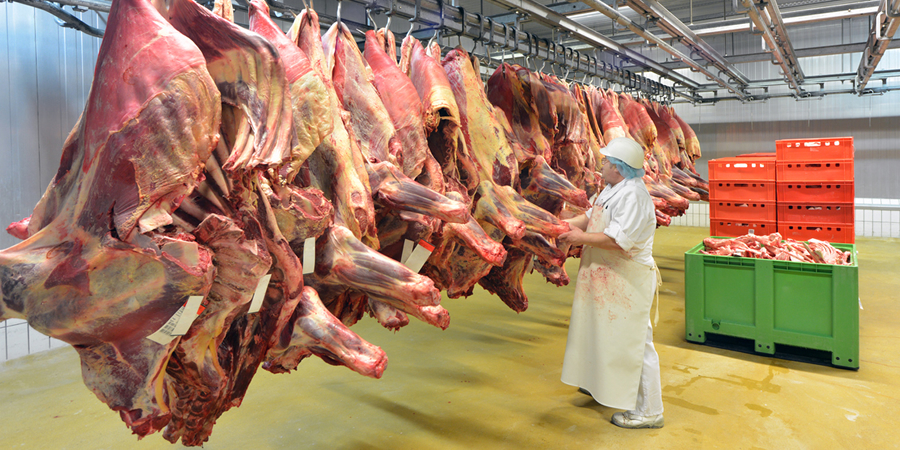
Australia's red meat industry has recorded a 78% reduction in net greenhouse gas emissions since 2005 due to reduced rates of land clearing and increased forest regrowth, a CSIRO report commissioned by Meat and Livestock Australia found.
The report, released on May 2, found that net greenhouse gas emissions from the red meat industry were equivalent to 31m tonnes of carbon dioxide in 2021.
But the emissions data was derived from the Australian National Greenhouse Gas Inventory, which analysis suggests may be significantly underreporting land clearing in Queensland, making any claims based on that data "not reliable".
The report said high rainfall in 2020-21 resulted in a large increase in carbon sequestration due to increased vegetation growth on land managed by the red meat sector, an area equivalent to about half Australia's landmass.
Meat and Livestock Australia announced a goal to reach net zero emissions by 2030 in 2017.
Julia Waite, the organisation's carbon neutral 2030 project manager, said lower rates of land clearing and greater volumes of regrowth had offset the sector's direct emissions, about 80% of which is methane released by cattle burps and manure. Those emissions fluctuate with the recorded size of Australia's cattle herd and have remained relatively stable since 2005.
"Given the variability of the Australian climate, we anticipate sequestration volumes will retract when conditions trend back towards drier El Niño," she said in a statement on May 2.
Earlier, Waite said emissions reductions from carbon sequestration in vegetation "has a shelf life" as the rate of sequestration declines as forest regrowth reaches maturity.
"To maintain an enduring net zero emissions position will require percentage reductions in direct emissions of raising livestock and energy, which will also reduce over-reliance on sequestration," she said.
- The Guardian


