


May 2, 2023
EU feed production to fall by 5 million tonnes in 2022
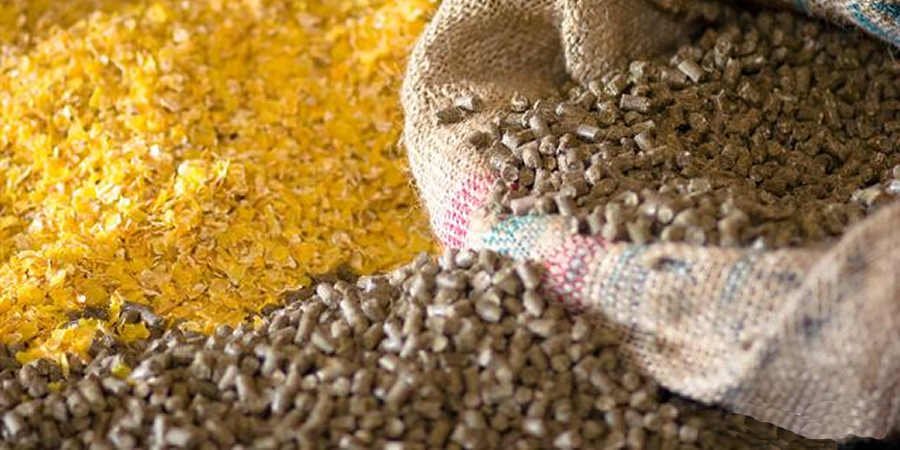
A report released by the European Feed Manufacturers Federation (FEFAC) showed that industrial compound feed production in the European Union will fall by more than 5 million tonnes in 2022 compared to the previous year, World-Grain reported.
According to data provided by FEFAC members, the EU-27 compound feed production for farmed animals in 2022 is estimated to be 148.9 million tonnes, a 3.8% decrease from 2021.
Production in the animal feed sectors fell, but more significantly in the swine sector (-6.7%) and poultry sector (-3.2%), owing to the spread of animal diseases such as avian influenza and African swine fever (ASF).
The Russian invasion of Ukraine and the ensuing EU energy crisis have had a significant impact on the EU economy and inflation, resulting in lower demand for animal products, which has impacted feed production and demand, FEFAC said. Only Austria, Finland, Ireland, Poland, and Slovenia managed to slightly increase or stabilise their feed production.
FEFAC also noted that green environmental and animal welfare policies continued to play a role in key member states such as Belgium, Germany, and the Netherlands, putting pressure on livestock population numbers to be reduced.
The swine feed sector was the most affected in 2022. Production fell by 3 million tonnes in comparison to 2021, when many member countries saw decreases of more than 5%.
FEFAC said small farms in some countries closed their doors due to the deteriorating economic situation and farm profitability, adding that swine meat exporting countries cut production as China recovers from ASF and no longer imports pork volumes at previous levels.
ASF has also continued to have an impact on the economic efficiency of pig farms in countries such as Germany and Romania.
The report said poultry feed production will drop by nearly 2 million tonnes in 2022 as several countries are heavily impacted by AI and reduce their poultry production. Furthermore, the high cost of utilities during the winter caused some farms to skip cycles, all of which impacted feed demand.
Cattle feed production decreased by 500,000 tonnes from the previous year due to production stabilisation in comparison to the 2021 year, when severe drought caused increased demand for dairy feed.
The European Commission said output of main animal species (except poultry) is expected to decrease in 2023.
- World-Grain


