


May 2, 2023
Indonesia's poultry sector faces limited growth due to oversupply and rising input costs
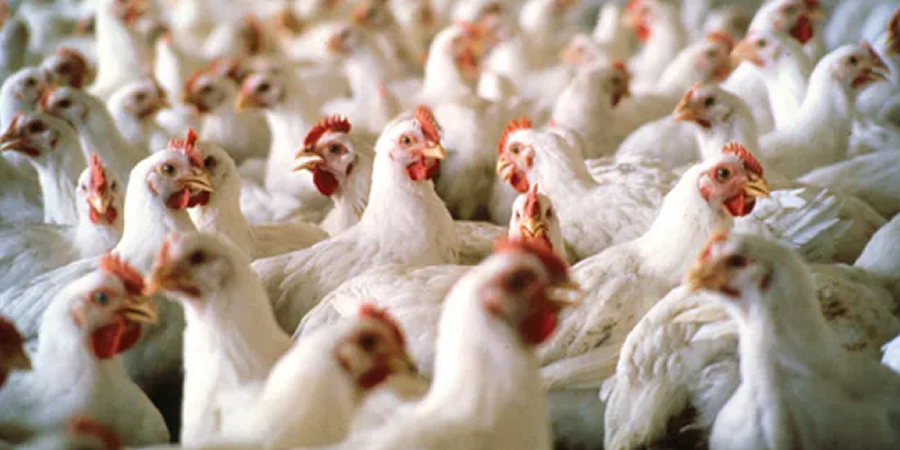
Despite an increase in sales last year, the Indonesian poultry sector is expected to see limited growth this year as firms' bottom lines are eroded by a prolonged oversupply of live birds and higher input costs, Jakarta Post reported.
Poultry producers' earnings before interest, taxes, depreciation, and amortisation (EBITDA) may improve as a result of rising demand, according to industry participants and analysts, but the figures will remain below pre-pandemic levels.
Last year, the annual net profits of Indonesian publicly traded poultry companies PT Japfa Comfeed Indonesia, PT Charoen Pokphand Indonesia, and PT Malindo Feedmill fell by 29.8%, 19.1%, and 57.2%, respectively.
These declines were despite increases in annual net sales of 9%, 10%, and 21%, respectively.
Arief Witjaksono, cofounder of tech start-up Pitik, which helps chicken farmers purchase animal feed and sell their stock, said the prolonged Russia-Ukraine war has disrupted the supply of wheat, a major component of chicken feed. The disruption had led to rising input costs for the poultry industry.
In a February note, Michael Filbery, an analyst at Sinarmas Sekuritas, predicted that the price of soybean meal (SBM), which is used to make chicken feed, would remain high in the first quarter of the year.
His data showed a 10% increase from the previous year's average to US$480 per tonne.
According to a March 3 Samuel Sekuritas research note, SBM production from Argentina and Brazil could be strong this year, lowering the price on the global market.
Furthermore, Indonesia's poultry industry is still dealing with a prolonged oversupply of live birds, which has stifled farm gate prices.
The imbalance was caused by an error in the import of grandparent stock, or animals that give birth to the chickens used in poultry production.
Indonesia's Agriculture Ministry has attempted to solve the problem by implementing a culling programme, but this has so far failed to keep prices stable. Broiler chicken prices have dropped 12% from December 2022 to January this year.
Under the programme, at least 20 million chickens should have been culled each week, but only 14 million were managed between October and November of last year.
Between December 2022 and January of this year, the figure was cut in half. Between February and April, an updated programme required the industry to cull only 14.9 million chickens per week.
In an April 5 report, Raka Junico, a research analyst at MNC Sekuritas, said that the lower culling quota was used to maintain supply during Ramadan.
He predicted that the government would cull between 200 million and 326 million chickens this year to help lift farm gate prices. This will offset the cost of each live bird and improve the margins of commercial farms.
- Jakarta Post


