


May 2, 2023
Australia ill prepared for avian influenza hitting wildlife, conservationists claim
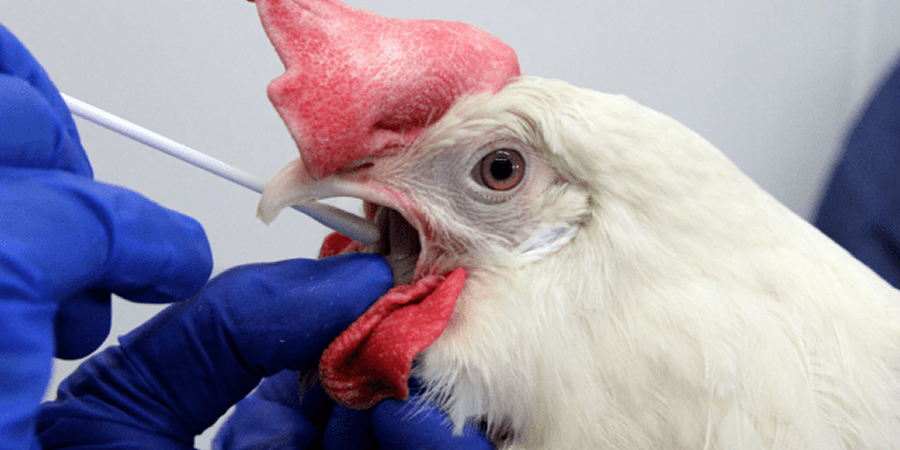
Conservationists have warned Australia is poorly prepared for the potential arrival of a deadly form of avian influenza that has killed millions of birds and thousands of mammals overseas.
When high pathogenicity avian influenza of subtype H5 (HPAI H5) arrived in South America late last year, it killed more than 60,000 seabirds and 3,500 sea lions within weeks in Peru alone. It has spread to every continent except Australia and Antarctica, and has so far affected 300 species of wild birds and caused hundreds of mass mortality events.
The Invasive Species Council (ISC) has written to Australia's agriculture minister, Murray Watt, and environment minister Tanya Plibersek, to urge them to develop a national response plan for avian influenza in wildlife.
"Australia is well prepared to respond to avian influenza infection in poultry, having previously eradicated it eight times, but there is no plan for wildlife," said the ISC's principal policy analyst, Carol Booth.
The council is urging the government to establish a national taskforce, with membership including environmental and biosecurity agencies from all governments and a range of wildlife, disease and conservation experts.
Booth said while eradication was not feasible for outbreaks in wild birds, there were steps the government could take to minimise the impacts on wildlife and help recovery. They included monitoring, reporting and research to assess impacts, learn about the disease and help with recovery; regulating human access to bird colonies to prevent disturbance; removing and disposing of dead birds; rescuing and euthanising wildlife; vaccinating captive-bred colonies of threatened species and developing local responses for specific bird colonies.
The risk of the virus arriving in Australia has been considered low as there are no duck species – one of the main movers of the virus – migrating to Australia. But experts have warned the risk the virus will arrive is increasing and that this would most likely occur through migratory shorebirds, which are also hosts for the virus.
Booth said Australia had invested millions of dollars preparing for the arrival of livestock diseases such as foot-and-mouth disease in cattle, African swine fever in pigs and avian influenza in poultry.
She said there had not been a similar level of preparation for major wildlife diseases and this was "a major gap in Australian biosecurity."
"The situation is more complex in native species. Unlike livestock, native animals cannot be culled or contained and the consequences are potentially direr," she said.
Leanne Renwick, the senior technical research officer of Phillip Island Nature Parks, said the organisation had been monitoring the rapid spread of avian influenza globally and had been considering a local response plan.
"We have a lot of different species here but particularly large seabird colonies and Ramsar wetlands," she said. "We are definitely concerned about what the potential impact could be in Australia and here on Phillip Island."
Watt said "any suggestion we are not prepared is made without basis." He added that his department had been "closely monitoring the global HPAI situation, particularly the surge in cases and bird mortalities occurring overseas since 2020 and considering this in the context of Australia's preparedness."
He said the government had invested in measures to enhance Australia's preparedness and early warning capabilities, including an evaluation of the performance of Australia's ongoing wild bird general surveillance programme and undertaking a risk assessment focused on strains of HPAI that are circulating abroad.
- The Guardian


