


April 29, 2020
Low-cost method helps breed salmon with better resistance to sea lice
A Scottish research team has developed a cost-efficient technique to breed salmon with improved genetic resistance to sea lice.
With the technique, salmon can be bred to be more resistant to sea lice through use of genetic data from across the entire genome—called genetic markers—in a relatively inexpensive manner, according to the scientists, led by Dr. Smaragda Tsairidou and Prof. Ross Houston of the Roslin Institute, which was involved in the research project.
The technique uses far fewer genetic markers than is typical. Otherwise, collecting this type of genetic marker data from large numbers of fish through DNA sampling can be prohibitively expensive in many typical aquaculture settings.
The use of much fewer genetic markers was achieved by optimising the use of a computational technique called genotype imputation, and looking at variation at specific positions in the genome.
The scientists' approach enabled a low-cost assessment of the genetic makeup of the salmon population with regards to sea-lice resistance, which can inform selective breeding decisions to choose more resistant parents for breeding the next generation.
"In this study we used low-density genetic markers to predict the resistance of salmon to sea lice, which is potentially more cost-efficient. The results from this study can be used to help breed salmon with improved resistance to this and other diseases", said Prof. Ross Houston, chair of Aquaculture Genetics at The Roslin Institute, which is part of the University of Edinburgh.
The technique has also the potential to be used for improving other aquaculture species around the world, including shrimp and tilapia, according to a news release from The Roslin Institute.
Other scientists who worked on the project came from the University of Stirling Institute of Aquaculture and Hendrix Genetics. The study was funded by the Scottish Aquaculture Innovation Centre and is published in the journal G3.
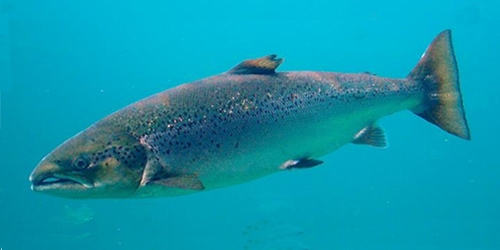
Image: The Roslin Institute


