


April 26, 2024
Philippines' fish farmers encouraged to boost milkfish production amid El Nino effects
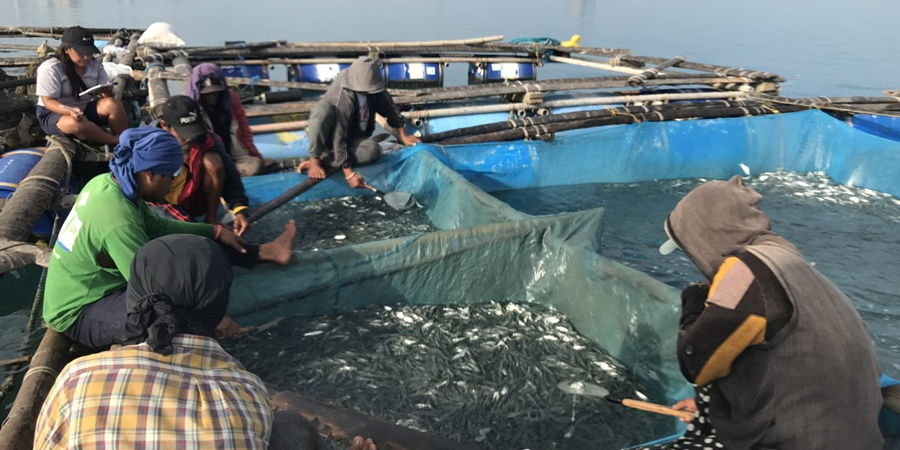
Philippines' fish farmers, particularly those cultivating brackish and marine species, are urged to capitalise on the opportunity to enhance milkfish production amid the ongoing effects of the El Nino phenomenon, Philippine News Agency reported.
Dan Baliao, head of the Southeast Asian Fisheries Development Centre/Aquaculture Department (SEAFDEC/AQD), highlighted the advantageous conditions presented by the heat exacerbated by the phenomenon. He said that the relatively high water temperatures stimulate milkfish metabolism, fostering spawning and abundant egg and larvae production.
Baliao noted that during the cold months from November to February, fish breeders typically invest in industrial water heaters to maintain water temperatures between 29°C and 30°C, ensuring the continued activity of breeders and a steady supply of eggs for hatcheries.
Additionally, the reduced rainfall encourages optimal pond preparation for the proliferation of natural food sources like lab-lab, a nutrient-rich mat of benthic algae that flourishes in brackish water fishponds.
Farmers can capitalize on robust lab-lab growth during dry spells to minimize supplemental feeding costs, as it serves as an excellent source of fish nutrition.
However, SEAFDEC/AQD emphasizes the importance of prudent water management during the tidal cycle and maintaining desirable pond water levels and stocking densities. Extreme heat followed by sudden rainfall can result in fish kills if not properly managed.
Baliao advised farmers to adhere to recommended stocking densities of 2,500 to 3,000 milkfish fingerlings per hectare. Overstocking may necessitate additional investments in artificial feeds and life support systems.
Furthermore, farmers are encouraged to prepare their ponds for the rainy season, including the application of organic fertilizers and liming.
Meanwhile, SEAFDEC has obtained 17 juvenile wild mackerel tuna, also known as "kawakawa" or "tulingan," from a fish trap in Antique. These juveniles will undergo further study at the research centre, with hopes of reaching maturity and potentially yielding the first captive-bred tuna in the Philippines, as part of a project funded by the Japanese government.
- Philippine News Agency


