


April 25, 2024
USDA genetic analysis reveals wider and longer H5N1 outbreak among cattle in US
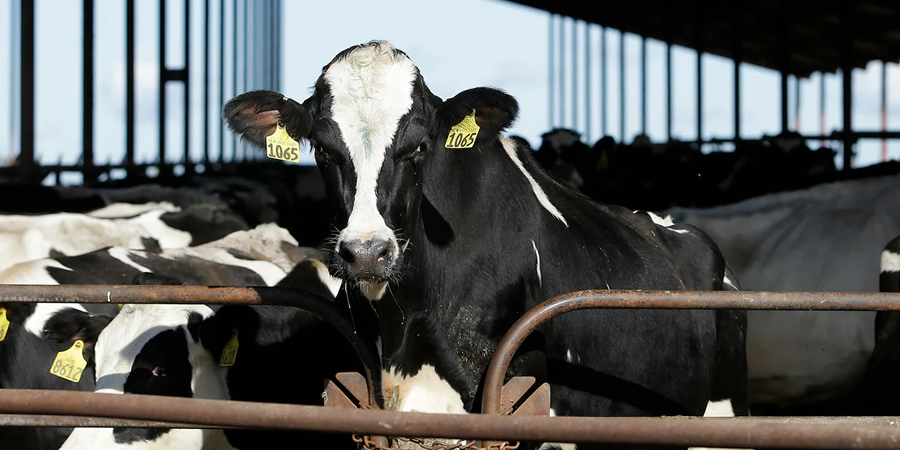
A recent genetic analysis by the US Department of Agriculture (USDA) suggests that the H5N1 bird flu outbreak among dairy cattle in the US may have been ongoing for a more extended period than previously understood and has likely spread more extensively across the country than initially recognised, Stat reported.
According to evolutionary virologist Michael Worobey from the University of Arizona, the analysis points to a single spill-over event that likely occurred in late 2023. This revelation raises concerns about the scope and severity of the outbreak, especially given humans' frequent interaction with cattle.
Since the first confirmed outbreak in late March, the number of reported cases has risen to 33 herds across eight states. While the USDA has been investigating the possible links between these outbreaks, the exact transmission pathways remain unclear.
The genetic sequences obtained from infected cattle, poultry, and other species hint at a single spill-over event rather than multiple occurrences. However, the origin of the human case, which occurred in a Texas farm worker, remains uncertain due to genetic differences from the cattle sequences.
While the genetic data provide valuable insights, the lack of detailed metadata limits scientists' ability to fully interpret the findings. Worobey expressed discomfort with the virus's spread among mammals, emphasizing the heightened risk it poses for potential mutations that could enable human transmission.
The analysis underscores the need for intensified surveillance and research efforts to better understand and contain the outbreak. As the USDA continues its investigations, the broader implications of the H5N1 outbreak on public health and agricultural sectors remain a cause for concern.
- Stat


