


April 24, 2025
Pakistan faces possibility of ramping up wheat imports in 2025-26 marketing year
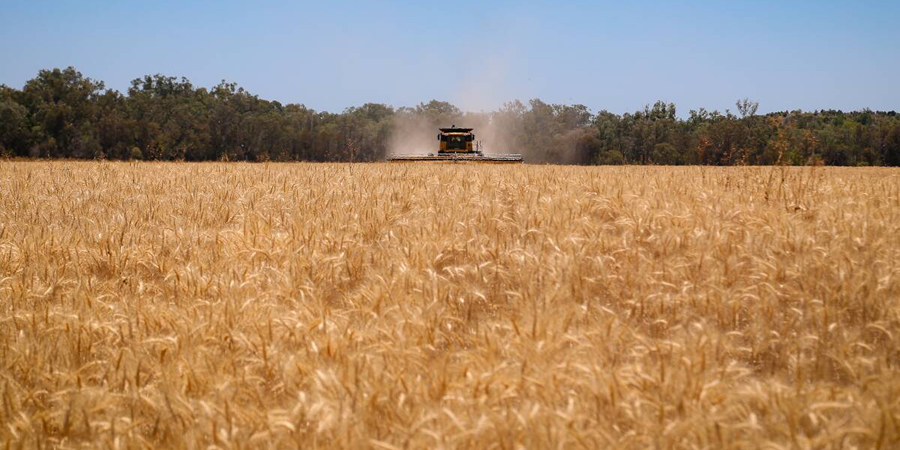
Pakistan may be forced to ramp up wheat imports in the 2025-26 marketing year as domestic production plunges due to a sharp decline in the planted area and unseasonably dry weather conditions since the crop was planted late last year.
The winter crop planting programme proceeded in the autumn of 2024 under a cloud of uncertainty around the government's wheat procurement intentions in 2025.
For the first time in decades, the government failed to disclose, ahead of planting, if it would purchase domestically produced wheat in 2025 and a specific support price.
The support price has historically been announced prior to the start of the seeding programe to provide farmers with an incentive to grow wheat by way of a floor price for their grain when harvest commences in the spring.
According to the US Department of Agriculture's Foreign Agricultural Service, "The sudden change in policy occurred without any prior announcement nor consultation with farmers. Government procurement has always been a major part of wheat marketing in Pakistan. The lack of clarity regarding a guaranteed price for the 2025-26 crop has created uncertainty among farmers regarding how they will market their crop."
While authorities in Islamabad did encourage farmers to plant wheat by ensuring the availability of crop inputs and providing interest-free loans, the decline in domestic prices and the government's decision not to buy wheat at a guaranteed support price prompted some farmers to shift to alternate crops, such as canola, pulses, and vegetables.
The change in policy ultimately led to a 6.8% decrease in the planted area from 9.73 million hectares in the 2023 campaign to 9.08 million hectares last autumn.
Pakistan's 2025-26 wheat output is now forecast to fall from a record 31.6 million metric tonnes last harvest to 27.5 MMT this year.
However, further downward revisions are quite possible, with early harvest yields disappointing.
Domestic wheat consumption is expected to increase by around 2.2% to 31.9 MMT in 2025-26, primarily driven by the exploding population as it is Pakistan's food staple.
Food, seed, and industrial consumption accounts for 92.5% of domestic demand, with the balance used in the stockfeed sector, almost exclusively in poultry rations.
The lower production and higher demand outlooks mean that Pakistan will likely need to import at least 1.7 MMT in its May to April marketing year, up from virtually nothing in 2024-25.
Despite the growing production concerns, the government is currently maintaining its ban on wheat imports and exports, which came into force in July last year.
The trade restrictions were introduced to regulate the market after increased imports in the prior season led to a domestic surplus and depressed farmer returns.
With prices falling sharply as this year's harvest gained momentum, any decision to import will most likely be made once the harvest pressure has dissipated, and domestic prices begin to rally.
- Grain Central


