


April 23, 2026
Climate change a rising threat against marine fish farming in Norway, according to report
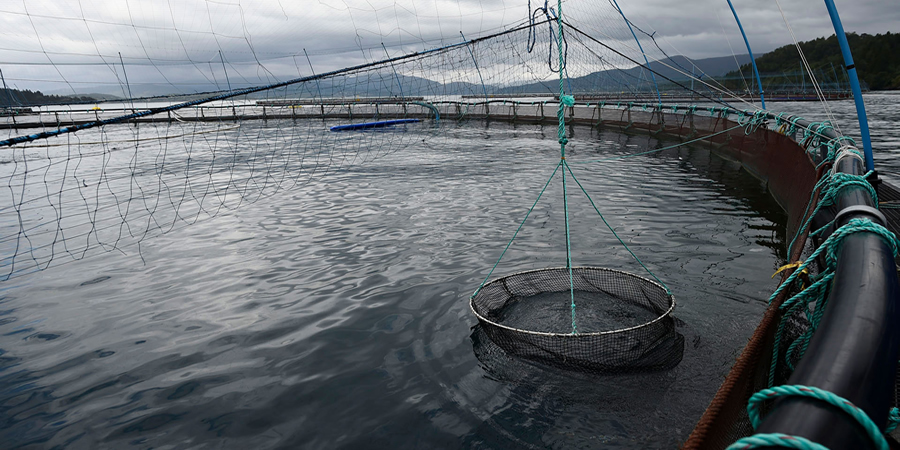
A report by the Norwegian Institute of Marine Research highlights that climate change is becoming an increasing pressure factor for the aquaculture industry, particularly marine fish farming in Norway.
The report describes how rising sea temperatures, more frequent marine heatwaves, and shifts in salinity and oxygen levels are altering the conditions in coastal farming areas. These environmental changes are affecting the physiological performance of farmed fish, increasing stress levels and reducing overall resilience.
According to the report, warmer water conditions can also contribute to higher susceptibility to diseases and parasites, including sea lice, which remains one of the major challenges in salmon farming. In some cases, extreme temperature events are associated with increased mortality rates and reduced production efficiency.
The findings also emphasise that changes in ocean conditions do not only affect farmed fish but may also influence surrounding marine ecosystems and wild fish populations, particularly in coastal and fjord environments where aquaculture activities are concentrated.
A robust population is the most important basis for withstanding both natural and anthropogenic stressors.
"When climate change weakens this robustness, the assessment of risk from aquaculture activity also changes. Not only can the impacts of aquaculture be exacerbated, but climate change also changes the framework for what is sustainable and what nature can actually tolerate," the report states.
Adapting to climate-related changes will be increasingly important for maintaining sustainable production and fish welfare in the coming years. Significant knowledge gaps still exist, particularly related to the response of pathogens to climate change, long-term changes in fjord circulation and the nutritional needs of farmed salmon in warmer climates. Future management will require new knowledge, new technology, and more adaptability than today, the report states.
"The big picture we see is unequivocal. Extensive climate change is affecting Norwegian coastal and fjord areas today, and the effects will only intensify towards 2050," said research manager Mari S. Myksvoll. "All of us, researchers, the industry and decision-makers, must take into account what is happening. The management of the aquaculture industry requires new knowledge, new technology and more adaptability than where we are today. By being well-prepared, we can hopefully avoid many of the problems we outline in the report."
- Aquafeed.com


