


April 17, 2026
US now Bangladesh's top soybean supplier
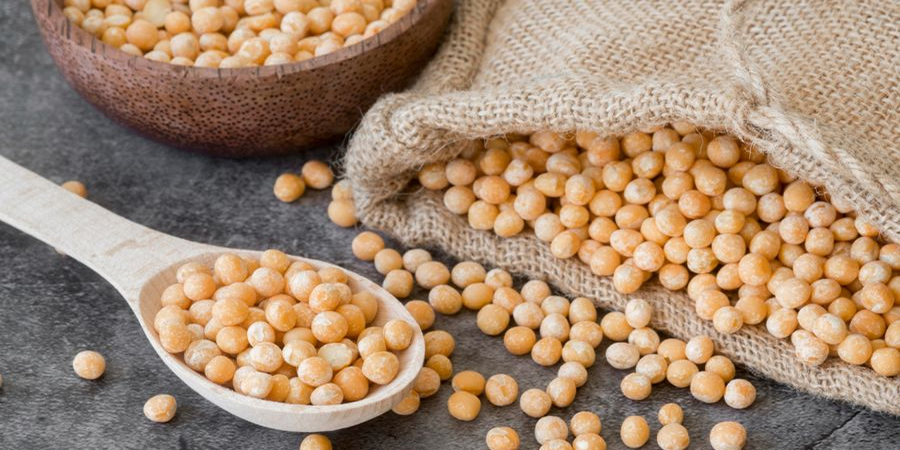
The United States has become Bangladesh's top soybean supplier, as private importers increased purchases under a reciprocal trade deal and US prices eased earlier in the year when Chinese demand briefly slowed.
In the first eight months of marketing year (MY) 2025-26, the US supplied 84% of Bangladesh's soybean imports, up from 48% a year earlier, according to the US Department of Agriculture (USDA).
Bangladesh produces only about 7% of its annual soybean requirement, mainly in coastal districts. The rest comes from abroad.
In the July-February period of MY2026, the country imported 13.5 tonnes of soybeans, USDA said in a report on Bangladesh oilseeds and products published last month. Of that, 11.3 tonnes came from the US, while Brazil supplied the remaining 16 percent.
The surge in imports followed Dhaka's decision to buy more American farm goods under a reciprocal trade agreement. The package covers wheat, soybeans, and soy products, as well as cotton, with an estimated total value of $3.5 billion.
As per the deal, Bangladesh agreed to purchase at least 700,000 tonnes of wheat a year for five years and at least $1.25 billion of soybeans over one year.
The agreement drew criticism at home and stirred concern among businesses.
It came after the US cut the reciprocal tariff on Bangladeshi exports to the American market to 19% from an initial 37% imposed in April last year, citing efforts to narrow the US trade deficit. Bangladesh runs a trade surplus with the US.
In November, three major local soy crushing firms, Meghna Group of Industries, City Group, and Delta Agro, committed to purchase US$1 billion worth of US soybeans over the next one year, boosting prospects for US exports.
The USDA said four oilseed crushing mills are now operating in Bangladesh. The agency added that local crushers earn most of their profits from soybean meal rather than oil.
"Soybean meal is one of the key ingredients in the poultry and aquafeed industry in Bangladesh," the report said, adding that crushing is set to rise as feed production continues to expand.
"Recently, commercial poultry farms have expanded their operations, and some large private feed companies have begun contract farming for poultry production. Additionally, the use of formulated feed in aquaculture has increased," it added.
The USDA forecasts soybean crushing will rise by 2.2% in MY2027, driven by stronger demand for both soybean oil and meal.
It also projects soybean imports will climb 4.3 percent to 24 lakh tonnes in the next marketing year starting in July. Total imports in MY26 are estimated at 23 lakh tonnes, according to the USDA.
- The Daily Star


