


April 17, 2024
US research finds protein substitutes can reduce swine production's carbon footprint
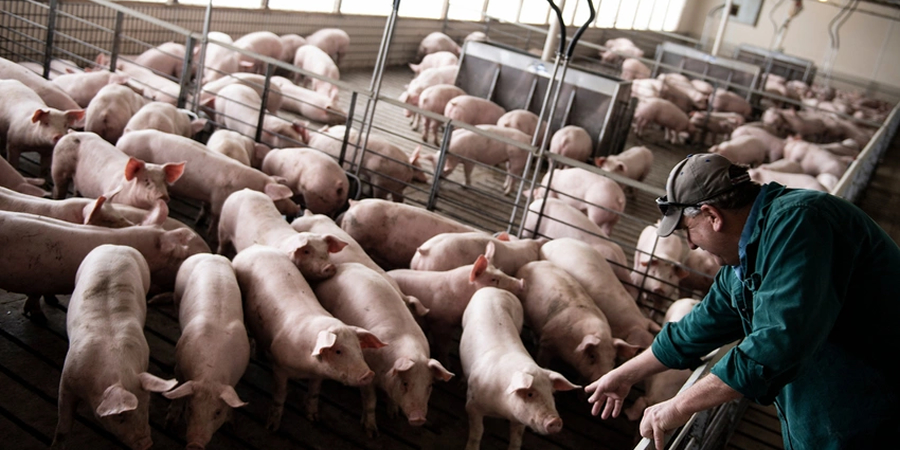
Animal scientists at the University of Arkansas' System Division of Agriculture have made strides in curbing the environmental impact of swine production by replacing crude proteins in swine diets with feed grade amino acids, a study revealed, Swineweb reported.
According to Charles Maxwell, professor of swine nutrition and management at the University of Arkansas, this dietary adjustment not only cuts down feed costs but also mitigates greenhouse gas emissions associated with swine farming.
Excess amino acids derived from crude protein ingredients in swine feed contribute to nitrogen production, ultimately leading to the release of nitrous oxide into the atmosphere. Maxwell said that nitrous oxide carries a significant greenhouse gas effect, posing a considerable threat to global warming.
In Arkansas, US alone, the swine industry contribute approximately US$56 million to the agricultural economy. Recognising the potential impact, Maxwell and his team embarked on research to explore methods to reduce the carbon footprint of swine production while maintaining optimal animal health and nutrition.
Their experiments focused on reformulating swine feed with amino acid supplements to meet the animals' nutritional requirements while minimizing nitrogen excretion. By precisely balancing the concentrations of essential amino acids, such as lysine, valine, isoleucine, and histidine, Maxwell and his team aimed to optimise growth performance and minimise environmental impact.
The study, consisting of five experiments conducted at the Division of Agriculture's swine facilities, demonstrated successful ratios for replacing crude protein with feed grade amino acids across various stages of swine growth, from nursery to finishing.
Maxwell highlighted the cost-effectiveness of these supplements, which not only reduce feed expenses but also lessen nitrogen excretion, benefiting both producers and the environment.
- Swineweb


